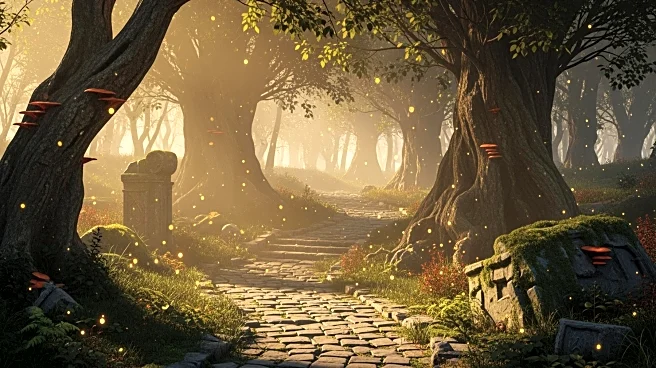




Tennessee Williams' play "Camino Real" is renowned for its unique and dream-like setting. Premiered in 1953, the play unfolds in a tropical, unnamed town that serves as a refuge for various misfits. This setting is not just a backdrop but a character in itself, influencing the narrative and the characters' journeys. Williams crafts a world that exists "outside of time in a place of no specific locality," creating a space where reality and illusion
intertwine.
The Plaza at the End of the Road
The play is set in a plaza at the end of the road, Camino Real, which is flanked by the dining area of the Siete Mares hotel and Skid Row. This juxtaposition of opulence and destitution reflects the duality present throughout the play. The town, near the sea, is described as tropical and mythic, suggesting a place that is both alluring and foreboding. Williams' choice of setting evokes a sense of isolation, as the town is surrounded by desert with only sporadic transportation to the outside world. This isolation is mirrored in the characters, who are often trapped by their own illusions and desires.
A Place of Refuge and Illusion
Williams describes the town as a refuge for quirky misfits, where their illusions crumble. The setting plays a crucial role in this process, as it is a place where reality is fluid and dreams can become nightmares. Characters such as Lord Byron, the Gypsy, and Casanova find themselves in a world where their pasts haunt them and their futures are uncertain. The town's dream-like quality allows for surreal events, such as the revival of Esmeralda's virginity, to occur without question. This blurring of reality and fantasy challenges the characters to confront their own truths.
Symbolism and Themes
The setting of Camino Real is rich with symbolism, reflecting themes of aging, irrelevance, and the search for meaning. The town's timeless nature forces characters to grapple with their mortality and the fear of becoming obsolete. Williams uses the setting to explore these themes, creating a narrative that is both poignant and unsettling. The plaza, with its contrasting elements, serves as a microcosm of the world, where the characters' internal struggles are externalized. Through this setting, Williams invites the audience to reflect on their own perceptions of reality and illusion.