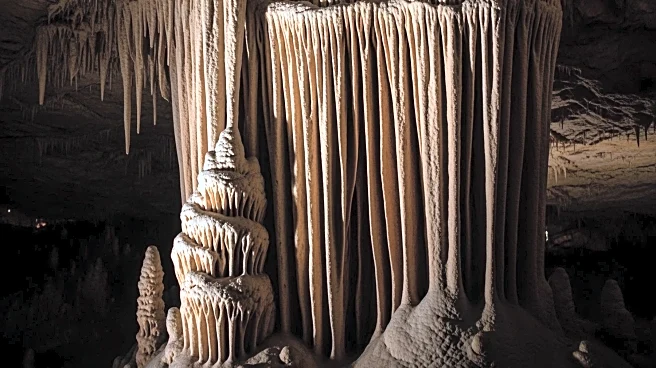




Carlsbad Caverns National Park, located in the Guadalupe Mountains of southeastern New Mexico, is renowned for its stunning geological formations. The park's primary attraction, Carlsbad Cavern, offers visitors a glimpse into the natural processes that have shaped this underground wonder over millions of years. From its limestone chambers to the intricate speleothems, the caverns are a testament to the power of nature.
The Formation of Carlsbad Caverns
The story of Carlsbad Caverns
begins approximately 250 million years ago when the area was the coastline of an inland sea. This sea was home to a variety of marine life, whose remains contributed to the formation of a massive reef. Unlike modern reefs, this ancient reef was composed of bryozoans, sponges, and other microorganisms. Over time, the water evaporated, and the reef was buried under layers of sediment.
Tectonic activity during the late Cenozoic era uplifted the reef, exposing it to erosion. This process sculpted the Guadalupe Mountain region into its current form. The caverns themselves were formed when hydrogen sulfide from deep petroleum reserves mixed with groundwater, creating sulfuric acid. This acid dissolved the limestone, carving out the vast chambers that visitors explore today.
The Big Room and Other Chambers
One of the most impressive features of Carlsbad Caverns is the Big Room, a limestone chamber that is nearly 4,000 feet long, 625 feet wide, and 255 feet high at its tallest point. It holds the title of the largest chamber in North America and the 32nd largest in the world. The Big Room is just one of many chambers within the caverns, each with its own unique formations and characteristics.
Other notable chambers include the King's Palace, Queen's Chamber, and the Green Lake Room. These areas are known for their stunning stalactites, stalagmites, and other speleothems. The formations are created as rainwater and snowmelt percolate through the ground, picking up carbon dioxide and depositing calcium carbonate as they evaporate.
The Role of Speleothems
Speleothems, the mineral formations found within the caverns, are a key attraction for visitors. These formations include stalactites, which hang from the ceiling, and stalagmites, which rise from the floor. Other formations, such as columns, soda straws, and draperies, add to the caverns' beauty.
The growth of speleothems is influenced by factors such as air temperature and rainfall. Higher temperatures increase carbon dioxide production in the soil, affecting the rate of speleothem growth. The color of these formations is determined by trace minerals present in the deposits, adding to the visual diversity of the caverns.
Carlsbad Caverns National Park offers a fascinating glimpse into the geological processes that have shaped our planet. Its intricate formations and vast chambers continue to captivate visitors, making it a must-see destination for anyone interested in the natural world.