





Star Wars: Episode II – Attack of the Clones was a groundbreaking film in terms of technological advancements in filmmaking. Directed by George Lucas, the film was one of the first to be shot entirely on a high-definition digital 24-frame system, marking a significant shift in the industry. This innovation paved the way for future digital filmmaking, influencing how movies are produced and viewed.
Digital Filmmaking Revolution
The decision to shoot Attack of the Clones digitally
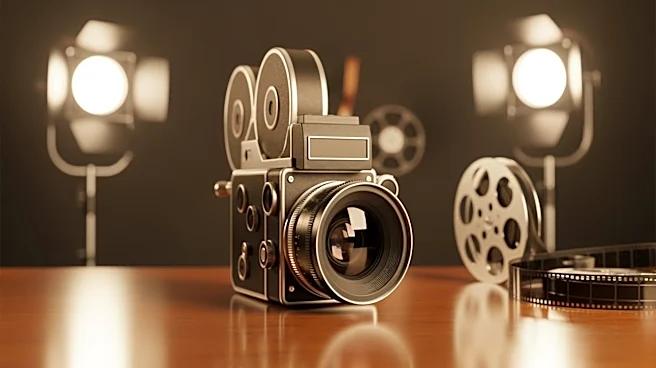
was a bold move by George Lucas, who had previously expressed interest in using digital technology for The Phantom Menace. However, the necessary equipment was not available at the time. By the time production began on Attack of the Clones, Sony and Panavision had developed the HDW-F900 digital camera, allowing Lucas to realize his vision.
This shift to digital filmmaking sparked controversy within the industry, as filmmakers debated the benefits and drawbacks of digital versus traditional film. Despite the controversy, Lucas's choice to use digital cameras was a significant step forward, effectively moving Hollywood into the digital age. The cameras used in the film recorded in the 16:9 HDCAM format, although the image was cropped to a 2.40:1 widescreen ratio.
Visual Effects and Digital Characters
Attack of the Clones featured over 2,000 visual effects shots, relying heavily on digital animatics rather than traditional storyboards. This approach allowed the filmmakers to previsualize sequences early in production, providing a rough example of the final product. The use of digital doubles, computer-generated models that doubled for actors, further emphasized the film's technological advancements.
One of the most notable digital characters in the film was Yoda, who was entirely CGI-created for the first time. The animation team worked to ensure that the digital Yoda maintained the continuity of the puppet version from previous films. This involved replicating the puppet's movements and characteristics, such as the jiggle of Yoda's ears when his head moved.
Impact on the Film Industry
The technological innovations in Attack of the Clones had a lasting impact on the film industry, influencing how movies are produced and viewed. The use of digital cameras and CGI characters set a new standard for filmmaking, encouraging other filmmakers to explore digital technology.
Despite initial resistance, the shift to digital filmmaking has become increasingly common, with many filmmakers embracing the benefits of digital technology. Attack of the Clones played a crucial role in this transition, demonstrating the potential of digital filmmaking and paving the way for future advancements in the industry.