





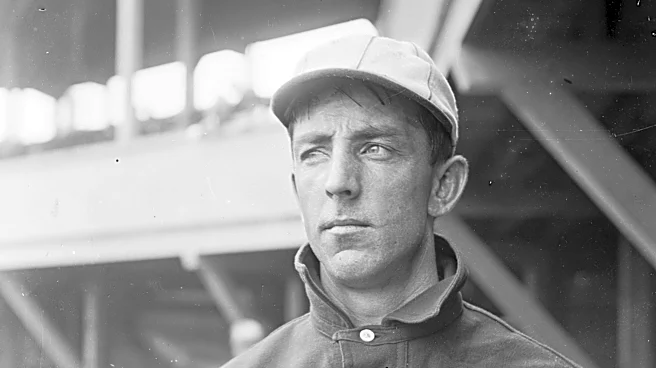

Gil Hodges is often remembered for his remarkable career as a baseball manager, particularly for his leadership of the New York Mets during their historic 1969 season. His managerial career, though shorter than his playing days, left an indelible mark on the sport. This article delves into Hodges's managerial journey, his strategies, and the legacy he left behind.
Transition to Management
After an illustrious playing career with the Brooklyn Dodgers, Gil Hodges transitioned
to management in 1963. He took over as the manager of the Washington Senators, a team that had struggled in the American League. Although the Senators did not achieve a winning record under Hodges, he was instrumental in improving the team's performance each year. His leadership and ability to develop players were evident, setting the stage for his future success.
Hodges's time with the Senators was marked by his commitment to building a competitive team. He orchestrated key trades, bringing in players like Frank Howard, who would become a cornerstone of the franchise. Hodges's influence extended beyond the field, as he was known for his ability to motivate and inspire his players.
The Miracle Mets
In 1968, Hodges took on the role of manager for the New York Mets, a team that had yet to experience a winning season. Under his guidance, the Mets transformed from perennial underdogs to World Series champions in 1969. This remarkable turnaround earned the team the nickname "Miracle Mets."
Hodges's managerial style was characterized by discipline and attention to detail. He instilled a sense of confidence and belief in his players, which was crucial to their success. The Mets' victory in the 1969 World Series was a testament to Hodges's leadership and strategic acumen. His ability to manage a diverse group of players and bring out their best performances was a key factor in the team's success.
Legacy and Impact
Gil Hodges's impact on baseball as a manager is still felt today. His success with the Mets demonstrated the importance of strong leadership and team cohesion. Hodges was known for his fairness and integrity, qualities that earned him the respect of players, fans, and fellow managers alike.
Hodges's untimely death in 1972 was a significant loss to the baseball community. However, his legacy lives on through the teams he managed and the players he mentored. The Mets honored him by retiring his number 14, and his induction into the Baseball Hall of Fame in 2022 further solidified his place in baseball history.
Gil Hodges's managerial career may have been brief, but his influence on the game is enduring. His ability to lead and inspire teams to greatness remains a benchmark for managers in the sport.