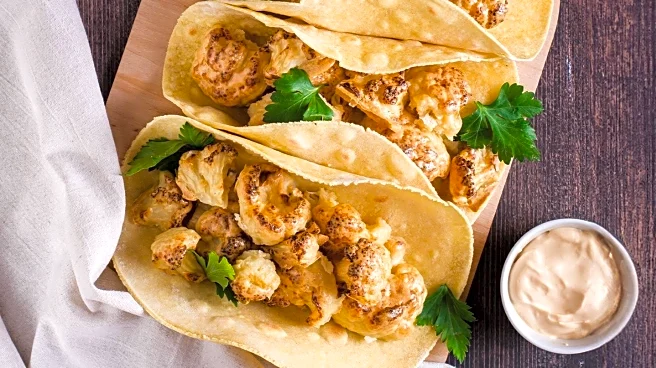

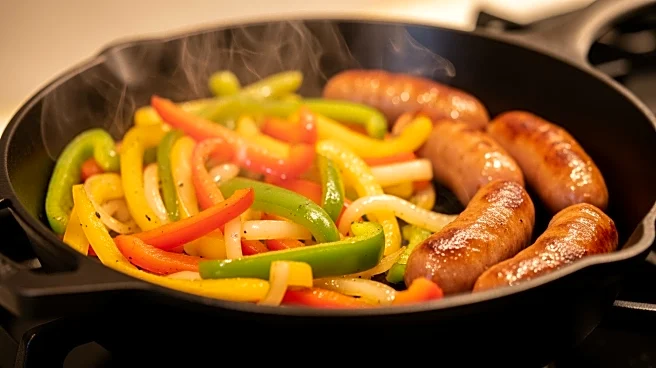

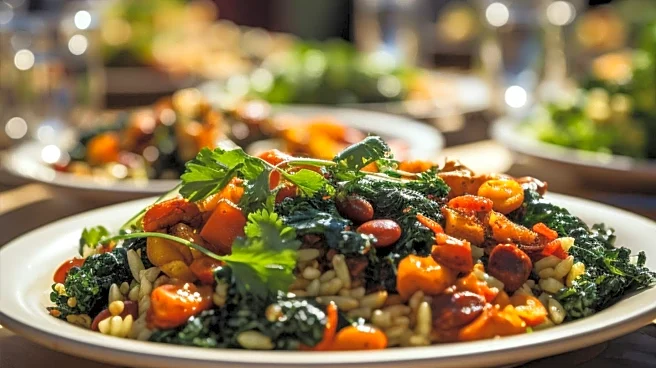
Roasting is a versatile cooking method that has been a staple in Western European cuisine for centuries. It involves using dry heat to cook food evenly, enhancing flavors through caramelization and Maillard browning. This technique is not only a testament to culinary skill but also a reflection of cultural practices and preferences. Understanding the methods and effects of roasting provides insight into its enduring popularity and significance.
The Science of Roasting
Roasting
uses indirect, diffused heat, typically from an oven, to cook food slowly and evenly. The temperatures involved are at least 150 °C (300 °F), allowing for the development of complex flavors on the surface of the food. This is achieved through caramelization and Maillard browning, processes that enhance the taste and appearance of roasted dishes.
The method is particularly suitable for larger cuts of meat, which benefit from the slow cooking process that breaks down collagen, resulting in tender and juicy meat. Roasting can be done using various techniques, including placing food on a rack, in a roasting pan, or rotating it on a spit or rotisserie. Each method ensures even heat application, crucial for achieving the desired texture and flavor.
Roasting Methods and Their Applications
There are several approaches to roasting, each suited to different types of food and desired outcomes. Low-temperature cooking, ranging from 95 to 160 °C (200 to 320 °F), is ideal for large cuts of meat, turkey, and whole chickens. This method, known as slow-roasting, minimizes moisture loss and produces a tender product by dissolving more collagen.
High-temperature roasting, at 200 °C (390 °F) or more, is beneficial for tender cuts like filet mignon or strip loin, allowing for quick cooking before juices escape. This method is used to brown the outside of the food, creating a variety of flavors with a less done center. The combination method uses high heat at the beginning or end of cooking, maintaining moisture while achieving a golden-brown crust.
Culinary Impact of Roasting
Roasting has a significant impact on the culinary world, influencing both flavor and presentation. The technique allows for the retention of moisture while providing texture and color, making it a preferred method for cooking meats and vegetables. Basting with butter, lard, or oil during roasting reduces moisture loss, enhancing the final product.
In recent times, innovations like plastic oven bags have been introduced to cut cooking times and reduce moisture loss. However, these methods can diminish flavor development from Maillard browning, making them more akin to boiled or steamed dishes. Despite these changes, roasting remains a cornerstone of Western European cuisine, celebrated for its ability to transform simple ingredients into flavorful and visually appealing dishes.