







Modern diapers are a marvel of engineering, designed to provide maximum absorbency and comfort while minimizing environmental impact. The development of diaper technology has been driven by advances in materials science and a deeper understanding of user needs. This article delves into the science behind the design and functionality of today's diapers.
Materials and Absorbency
At the heart of modern disposable diapers is the use of superabsorbent polymers, which can hold many
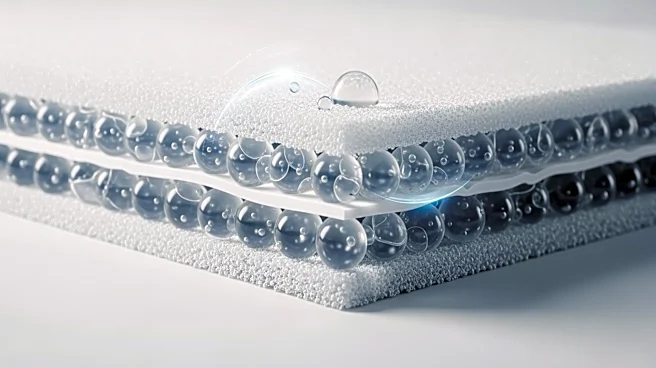
times their weight in liquid. These polymers are typically made from sodium polyacrylate, a material that was originally developed in the 1960s. The absorbent core of a diaper is designed to quickly draw moisture away from the skin, reducing the risk of diaper rash and keeping the wearer dry.
In addition to superabsorbent polymers, diapers incorporate multiple layers to enhance performance. The outer shell is often made from a breathable polyethylene film, which prevents leaks while allowing air circulation. The inner layer, closest to the skin, is made from nonwoven materials that wick moisture away, providing a dry and comfortable experience.
Design Innovations
Diaper design has evolved significantly over the years, with features such as elasticized waistbands and refastenable tapes improving fit and ease of use. The introduction of double gussets, or inner elastic bands, has enhanced leak protection by ensuring a snug fit around the legs and waist.
Another notable innovation is the wetness indicator, a moisture-sensitive ink that changes color when the diaper is wet. This feature helps caregivers know when a diaper change is needed, improving hygiene and comfort for the wearer.
Environmental Considerations
As awareness of environmental issues grows, the diaper industry is exploring more sustainable options. Compostable diapers made from plant-based materials, such as bamboo fibers, are gaining popularity. These diapers are designed to break down more quickly in landfills, reducing their environmental impact.
Cloth diapers, which can be washed and reused, offer another eco-friendly alternative. Advances in fabric technology have made modern cloth diapers more absorbent and easier to use than their predecessors, with features like snap closures and adjustable sizing.
The science behind modern diapers continues to evolve, with ongoing research focused on improving performance and sustainability. As technology advances, diapers will likely become even more efficient and environmentally friendly, meeting the needs of both users and the planet.