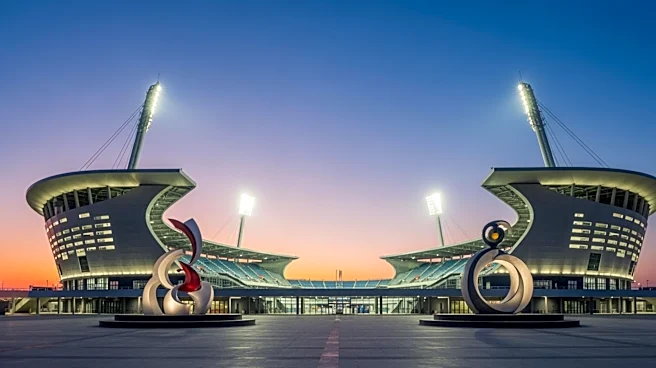







Ullevi Stadium, located in Gothenburg, Sweden, is more than just a venue for sports and concerts; it is a cultural icon that has shaped the city's identity. Since its construction in 1958, Ullevi has been a focal point for major events, contributing to Gothenburg's reputation as a vibrant cultural hub. This article examines Ullevi's cultural significance and its impact on the city's identity.
Ullevi's Role in Gothenburg's Cultural Landscape
Ullevi Stadium has played a pivotal role in establishing
Gothenburg as a center for cultural and sporting events. Its ability to host a wide range of activities, from international sports competitions to concerts by world-renowned artists, has attracted visitors from across the globe. The stadium's location in the event district, Evenemangsstråket, alongside attractions like Scandinavium and Liseberg, enhances its cultural appeal.
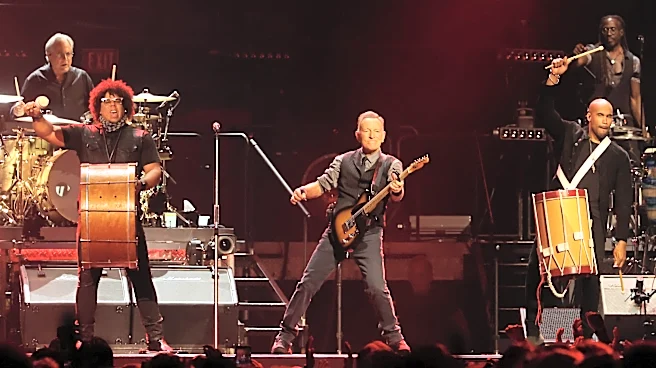
The stadium's design and capacity have allowed it to accommodate large-scale events, making it a key player in Gothenburg's cultural scene. With a seating capacity of 43,000 for sports and 75,000 for concerts, Ullevi has hosted legendary performances by artists such as Bruce Springsteen, Pink Floyd, and U2. These events have not only entertained audiences but also contributed to the city's cultural vibrancy.
Impact on Gothenburg's Identity
Ullevi Stadium has become synonymous with Gothenburg's identity, serving as a symbol of the city's dynamic and inclusive culture. The stadium's history of hosting diverse events reflects Gothenburg's commitment to embracing various cultural expressions. From sports to music, Ullevi has provided a platform for showcasing talent and fostering community engagement.
The stadium's influence extends beyond its physical presence, shaping perceptions of Gothenburg as a city that values cultural diversity and innovation. Ullevi's integration of sustainable practices, such as solar power installation, further underscores the city's forward-thinking approach. As a cultural icon, Ullevi continues to inspire pride among residents and attract visitors seeking unique experiences.
Future Prospects and Legacy
Looking ahead, Ullevi Stadium is poised to maintain its status as a cultural icon in Gothenburg. Its strategic location and infrastructure ensure continued accessibility for visitors, while ongoing innovations reflect a commitment to sustainability and modernization. As Gothenburg evolves, Ullevi remains a cornerstone of the city's cultural landscape, contributing to its legacy as a vibrant and inclusive community.
Ullevi Stadium's enduring impact on Gothenburg's identity highlights the importance of cultural venues in shaping urban environments. As a symbol of the city's dynamic spirit, Ullevi will continue to play a vital role in fostering cultural connections and celebrating diversity.