





On June 15, 2011, Vancouver, British Columbia, was the scene of a major riot following the Vancouver Canucks' loss to the Boston Bruins in Game 7 of the Stanley Cup Final. The riot erupted in the downtown core, resulting in significant injuries, arrests, and property damage. This article delves into the events of that night, the immediate aftermath, and the long-term consequences for the city and its residents.
The Riot Unfolds
The riot began almost immediately after
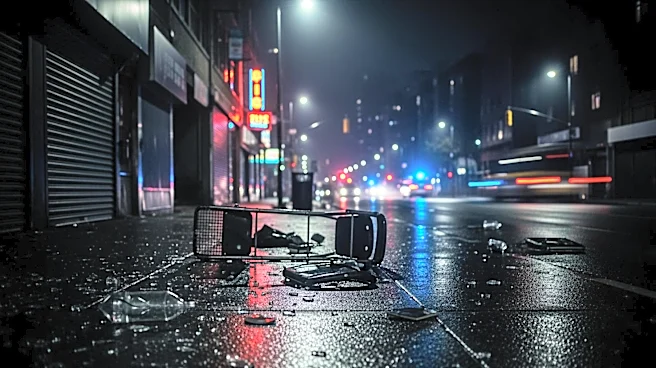
the Canucks' defeat, with tensions already high among the gathered crowd. Trouble started even before the game ended, as barricades were breached and fights broke out. As the game concluded, spectators began throwing bottles and other objects at large screens in the viewing area. The chaos escalated quickly, with cars being overturned and set on fire, and stores being looted.
By 8:26 p.m., the police read the riot act and began dispersing the crowd using smoke bombs. The SkyTrain system advised customers not to travel downtown due to the unstable situation. The riot continued until midnight, with police using a helicopter to ensure all areas were cleared. By the end of the night, nearly 100 arrests were made, and around 150 people were treated for injuries.
Immediate Aftermath and Cleanup
In the days following the riot, Vancouver Mayor Gregor Robertson and Police Chief Jim Chu attributed the violence to a small group of troublemakers. However, investigations revealed a wider spectrum of young people involved, many without prior criminal records. The riot caused an estimated $4 million in damages, with an additional $5 million spent on prosecution.
In response, approximately 15,000 volunteers organized to clean up the city, using social media to coordinate efforts. Streets were cleaned by 10 a.m. the next day, with boarded-up windows covered in apologies and messages defending the city's reputation. The Hudson's Bay Company hosted a free pancake breakfast to thank the volunteers.
Long-Term Consequences and Reflections
The riot led to significant changes in how Vancouver managed large public gatherings. An independent review highlighted the role of alcohol consumption and the late arrival of police reinforcements as primary causes. Recommendations included better cooperation between emergency services and improved control of alcohol around transit systems.
Social media played a crucial role in documenting the riot, with over a million photos and videos submitted to the police. This led to a community effort to identify and report rioters, raising concerns about online vigilante justice. The riot remains a pivotal moment in Vancouver's history, serving as a reminder of the potential for violence in the wake of major sporting events.