
The 2006 FIFA World Cup was a landmark event for Germany, bringing the world's attention to its football culture and infrastructure. Among the venues that hosted this prestigious tournament was the Fritz-Walter-Stadion
in Kaiserslautern. This article explores the stadium's role in the 2006 FIFA World Cup, highlighting its significance and the impact of the event on the local community.
Preparing for the World Stage
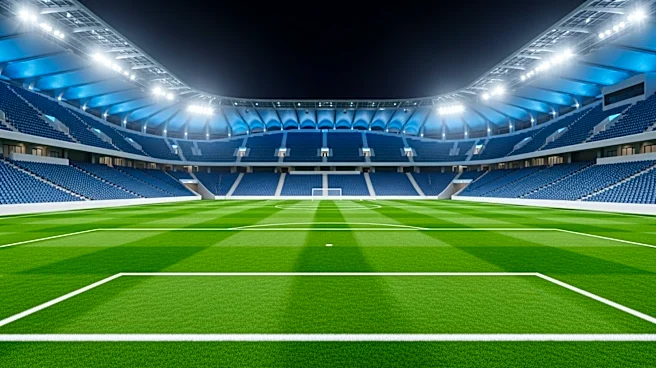
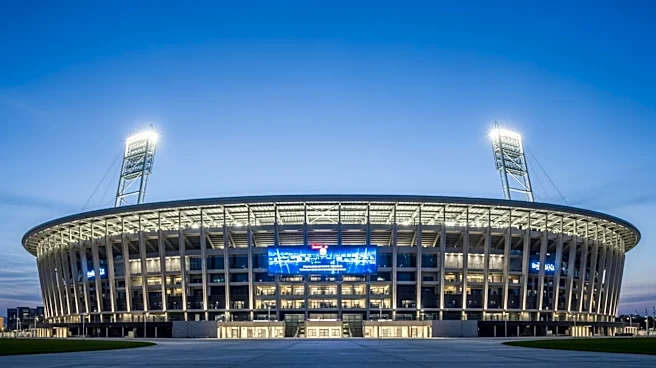
In anticipation of the 2006 FIFA World Cup, the Fritz-Walter-Stadion underwent extensive renovations to meet international standards. Starting in 2002, the stadium was transformed with a €76.5 million investment that included the addition of new grandstands, a media center, and a modern floodlight system. These upgrades increased the stadium's capacity to 49,327 for league matches, ensuring it could accommodate the influx of international fans.
The renovations were not just about increasing capacity; they were about creating a world-class facility that could host matches of the highest caliber. The improvements made to the stadium reflected Germany's commitment to providing an exceptional experience for players and spectators alike. The Fritz-Walter-Stadion was ready to welcome the world and showcase the passion for football that defines Kaiserslautern.
Hosting the Matches
During the 2006 FIFA World Cup, the Fritz-Walter-Stadion hosted several key matches, including four preliminary round games and a round of 16 match. The stadium became a focal point for fans from around the globe, creating an atmosphere of excitement and camaraderie. The matches played at the Fritz-Walter-Stadion were memorable, contributing to the overall success of the tournament.
The presence of the World Cup in Kaiserslautern brought international attention to the city and its football culture. It was an opportunity for the local community to share their passion for the sport with the world, and they embraced it wholeheartedly. The stadium's role in the tournament was a source of pride for the people of Kaiserslautern, who welcomed visitors with open arms.
Lasting Impact on Kaiserslautern
The 2006 FIFA World Cup left a lasting impact on Kaiserslautern and the Fritz-Walter-Stadion. The event brought economic benefits to the region, boosting tourism and local businesses. It also strengthened the city's reputation as a football hub, attracting fans and players from around the world.
The legacy of the World Cup continues to be felt in Kaiserslautern. The Fritz-Walter-Stadion remains a symbol of the city's football heritage and its ability to host international events. The tournament showcased the stadium's capabilities and reinforced its status as a premier venue for football.
In conclusion, the Fritz-Walter-Stadion played a pivotal role in the 2006 FIFA World Cup, contributing to the tournament's success and leaving a lasting legacy in Kaiserslautern. The event highlighted the stadium's significance and its place in the world of football, ensuring its continued importance for years to come.