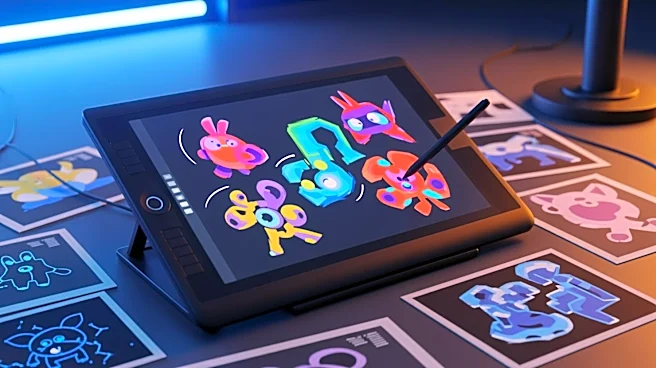







Kindergarten, a term that translates to 'garden for the children,' was introduced by Friedrich Fröbel in the 19th century. This educational concept has since become a foundational stage in early childhood education worldwide. Initially developed to support children whose parents worked outside the home, kindergarten has evolved significantly over the years, adapting to various cultural and educational needs.
The Birth of Kindergarten
The concept of kindergarten was born in the
late 18th century in Bavaria and Strasbourg. It was designed to provide a structured environment for young children, focusing on play, singing, and practical activities like drawing. These activities were intended to facilitate social interaction and ease the transition from home to school. Friedrich Fröbel, a German educator, coined the term 'kindergarten' and was instrumental in promoting this new approach to early childhood education.
Fröbel's vision was to create a nurturing environment where children could grow and learn through play. He believed that play was essential for children's development, allowing them to explore their creativity and learn social skills. This philosophy laid the groundwork for modern early childhood education, emphasizing the importance of a balanced approach that includes both structured learning and free play.
Global Influence and Adaptation
The kindergarten model quickly gained popularity beyond Germany, influencing early childhood education systems worldwide. Countries adopted and adapted Fröbel's principles to fit their cultural and educational contexts. In the United States, kindergarten became the first year of formal schooling, serving as a bridge between home and the more structured environment of elementary school.
As the concept spread, different countries incorporated their unique educational philosophies and practices into the kindergarten framework. This adaptability has allowed kindergarten to remain relevant and effective in diverse educational settings. The core principles of play-based learning and social interaction continue to be central to kindergarten programs globally.
Kindergarten Today
Today, kindergarten is a vital part of the education system in many countries, catering to children aged two to seven. The focus remains on play-based learning, but the methods and activities have evolved to include a variety of teaching approaches. Modern kindergartens often incorporate technology and innovative teaching strategies to engage young learners and prepare them for the challenges of formal education.
Despite these changes, the essence of kindergarten as a nurturing and supportive environment for young children remains unchanged. The enduring legacy of Fröbel's vision is evident in the continued emphasis on play, creativity, and social development as key components of early childhood education. Kindergarten continues to play a crucial role in shaping the educational experiences of young children around the world.