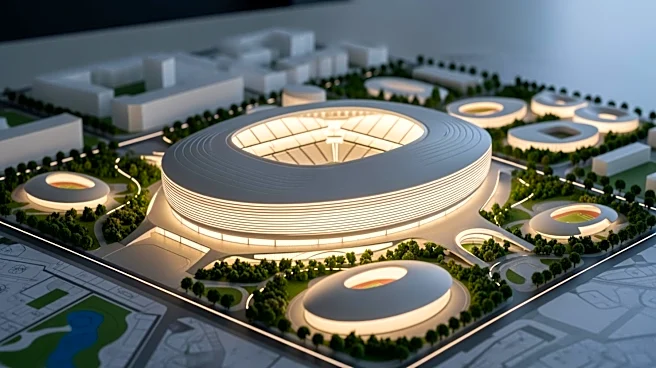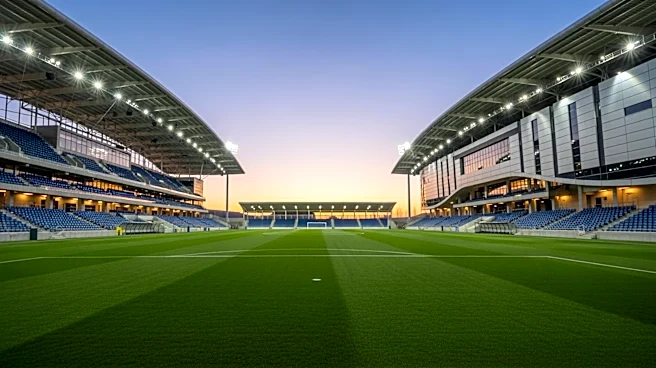



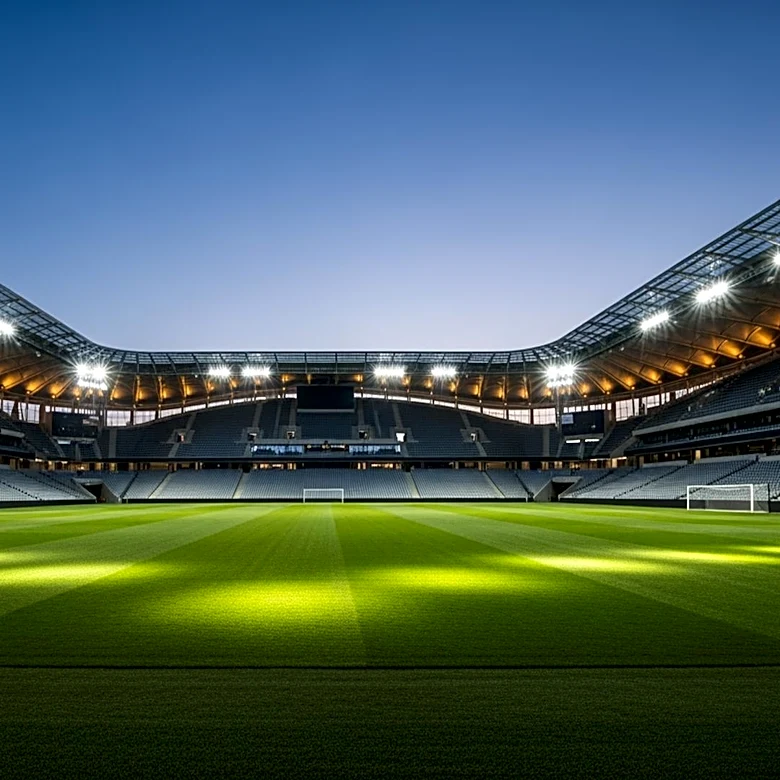

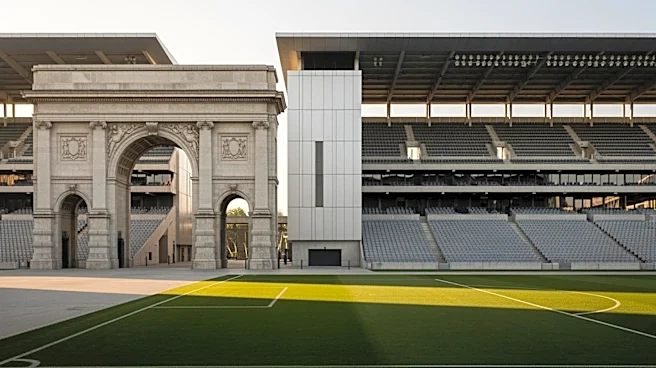

Itaipava Arena Pernambuco, situated in São Lourenço da Mata, Brazil, is a prominent football stadium with a capacity of 46,154. Owned by Novonor, it was built for the 2014 FIFA World Cup and has since become a central venue for football matches and other events. The arena's influence extends beyond sports, playing a significant role in the local community and economy.
A Premier Football Venue
The primary purpose of Itaipava Arena Pernambuco is to host football matches. It served
as one of the venues for the 2014 FIFA World Cup, showcasing its state-of-the-art facilities to a global audience. The stadium's design includes 102 suites, 1,800 business seats, and 2,700 premium seats, providing an exceptional experience for fans and players alike.
The arena is home to Clube Náutico Capibaribe, a local football club, further cementing its status as a key location for the sport in Brazil. Its modern amenities and large capacity make it an ideal venue for both national and international matches, attracting fans from all over the world.
Community and Economic Impact
Beyond football, Itaipava Arena Pernambuco has a significant impact on the local community. The stadium's construction was part of a larger urban development initiative aimed at revitalizing the western region of the Recife metropolitan area. This development has led to the creation of a new urban center, complete with residential, commercial, and recreational spaces.
The arena's presence has stimulated economic growth by attracting visitors and events, providing new opportunities for local businesses and residents. It has become a focal point for community activities, hosting concerts, conventions, and exhibitions that draw diverse crowds and contribute to the area's vibrancy.
A Model of Sustainability
Sustainability is a key aspect of Itaipava Arena Pernambuco's design. The stadium is equipped with solar panels that generate enough energy to power approximately 6,000 households. This commitment to renewable energy not only reduces the arena's environmental impact but also positions it as a leader in sustainable practices among large venues.
The use of solar energy reflects a broader trend towards sustainability in sports facilities worldwide. By embracing green technology, the arena not only supports environmental goals but also enhances its reputation as a modern, eco-friendly venue.
In summary, Itaipava Arena Pernambuco is more than just a football stadium. Its role in hosting major events, driving economic growth, and promoting sustainability makes it a vital asset to the community, ensuring its continued relevance and success.