




Paced breathing is a technique that has gained attention for its potential to manage anxiety and stress. By intentionally slowing down the breath rate, individuals can reduce symptoms of panic attacks and promote relaxation. This method involves taking slow, deep breaths to balance oxygen and carbon dioxide levels in the blood, which can have a calming effect on the body and mind.
Understanding Paced Breathing
Paced breathing is a conscious effort to regulate the breath, often
used in various therapeutic settings. The technique involves taking slow, deep breaths, which helps in balancing the levels of oxygen and carbon dioxide in the blood. This balance is crucial because an imbalance can lead to symptoms of anxiety, such as dizziness and shortness of breath. By focusing on the breath, individuals can shift their attention away from stressors and bring a sense of calm to their physiological state.
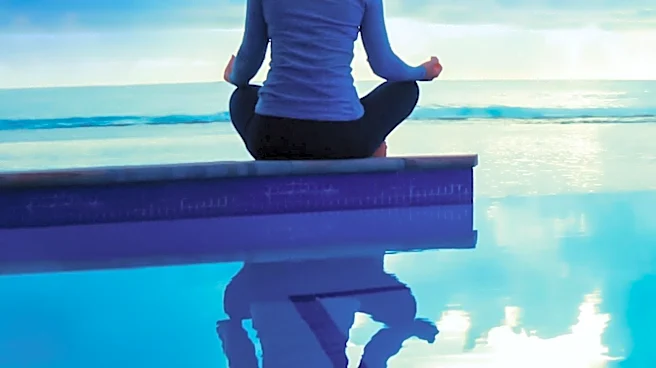
The practice of paced breathing is not new; it has roots in ancient traditions like yoga and meditation, where breath control is a fundamental component. In these practices, the breath is seen as a bridge between the body and mind, and controlling it can lead to a state of relaxation and mindfulness. This concept has been adapted into modern therapeutic techniques to help individuals manage anxiety and stress more effectively.
The Science Behind Paced Breathing
Research into paced breathing has shown that it can activate the parasympathetic nervous system, which is responsible for the body's rest and digest functions. This activation helps counteract the fight or flight response that is often triggered during anxiety and stress. By slowing the breath, the heart rate decreases, and blood pressure is lowered, creating a calming effect on the body.
Studies have also indicated that paced breathing can improve emotional regulation. When individuals focus on their breath, they can better manage their emotional responses to stressors. This is particularly beneficial for those who experience panic attacks, as it provides a tool to regain control over their physiological responses.
Practical Applications of Paced Breathing
Paced breathing can be easily incorporated into daily life as a tool for managing stress and anxiety. It can be practiced anywhere and at any time, making it a versatile technique for those who need immediate relief from anxiety symptoms. Many therapists and mental health professionals recommend paced breathing as part of a comprehensive treatment plan for anxiety disorders.
In addition to its use in therapy, paced breathing is also popular in mindfulness and meditation practices. It serves as a foundational technique for achieving a state of mindfulness, where individuals can focus on the present moment and reduce the impact of stressors. By integrating paced breathing into daily routines, individuals can enhance their overall well-being and resilience against stress.