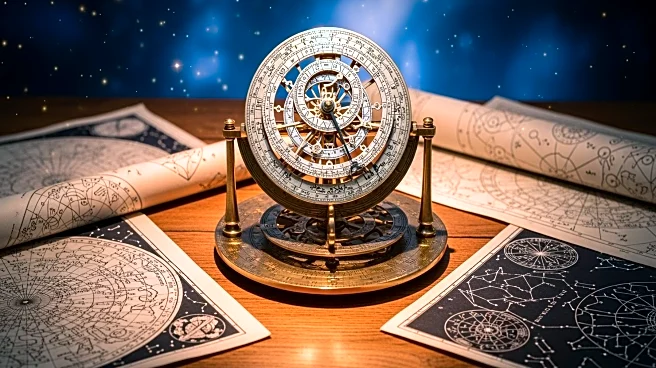




Astrology has long been a part of human culture, influencing societies in various ways. This article explores the cultural and social impact of astrology, highlighting its role in shaping beliefs, practices, and even political decisions across different eras and regions.
Astrology in Ancient Cultures
In ancient times, astrology was deeply intertwined with cultural and religious practices. The Babylonians, for instance, viewed celestial events as divine signs, which influenced their
decision-making and societal norms. Similarly, in ancient China, astrology was used to select auspicious days for events and decisions, reflecting its integration into political and social life.
Astrology also played a significant role in Indian culture, where it was considered a branch of the Vedanga, essential for understanding the Vedas. It was used to guide personal and societal decisions, particularly in matters of marriage and career. The influence of astrology extended to the Islamic world, where scholars translated and expanded upon Hellenistic astrological texts, integrating them into their own cultural and scientific frameworks.
Astrology's Influence in the West
In the Western world, astrology was a respected scholarly tradition until the Enlightenment. It was closely linked with other fields such as astronomy, medicine, and alchemy. Notable figures like Dante Alighieri and Geoffrey Chaucer referenced astrology in their literary works, indicating its cultural significance.
Astrology also found its way into political circles. For example, the British intelligence agency MI5 employed an astrologer during World War II to predict Adolf Hitler's actions. In the United States, First Lady Nancy Reagan consulted an astrologer after an assassination attempt on President Ronald Reagan, highlighting astrology's influence even in modern political contexts.
Modern Resurgence and Popularity
Despite losing its scholarly status during the Enlightenment, astrology experienced a resurgence in the 19th century, fueled by a revival of spiritualism and New Age philosophy. This renewed interest was further amplified by mass media, with newspaper horoscopes becoming a popular feature.
Today, astrology continues to captivate people worldwide, with many turning to it for guidance and self-reflection. Its cultural impact is evident in the popularity of astrology apps and the continued presence of horoscopes in media. While astrology may lack scientific validation, its enduring appeal lies in its ability to provide a sense of connection to the cosmos and insight into human nature.
Astrology's cultural and social impact is a testament to its adaptability and relevance across different societies and eras. Its influence on beliefs, practices, and even political decisions underscores its significance in human history.