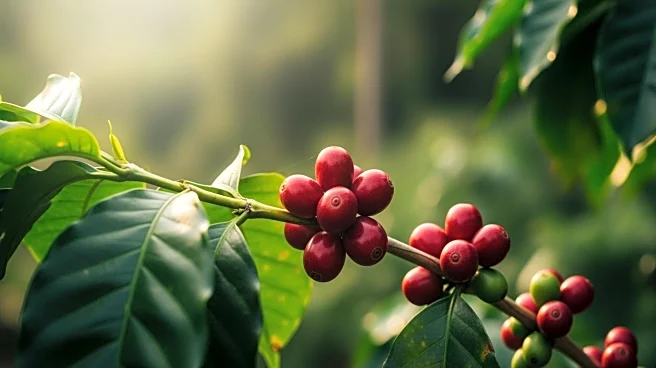




Coffee is a beloved beverage worldwide, but few know the fascinating journey of Coffea arabica, the species responsible for most of the coffee we drink today. Originating in the forests of Ethiopia, Coffea arabica has traveled across continents, becoming a staple in many cultures. This article delves into the historical journey of Coffea arabica, its cultivation, and its rise to global prominence.
Origins in Ethiopia
Coffea arabica is native to the southwestern highlands
of Ethiopia, where it grows as a wild plant. The species was first cultivated in the region, and its natural habitat is restricted to the forests of South Ethiopia and Yemen. The plant thrives in these areas due to the favorable climate and altitude, which provide the ideal conditions for its growth.
The journey of Coffea arabica began when Arab scholars discovered the stimulating effects of coffee made from roasted beans. This discovery led to the spread of coffee consumption throughout the Arab world, with Yemen playing a crucial role in its cultivation and trade. The port of Mocha in Yemen became a significant hub for coffee trade, further spreading its popularity.
Spread Across the Globe
As coffee gained popularity, it spread beyond the Arab world to Europe and the Americas. The Dutch were instrumental in introducing coffee to Java and Ceylon, while the French brought it to the Caribbean. By the 18th century, coffee cultivation had expanded to the Americas, with Brazil becoming a major producer.
Coffea arabica's adaptability to different climates and altitudes allowed it to thrive in various regions. It is now grown in over 70 countries, primarily in the equatorial regions of the Americas, Southeast Asia, the Indian subcontinent, and Africa. This widespread cultivation has made Coffea arabica the dominant coffee species, accounting for about 60% of global production.
Cultivation and Challenges
Coffea arabica is a delicate plant that requires specific conditions for optimal growth. It thrives at altitudes between 1,300 and 1,500 meters and prefers temperatures between 59 and 75°F. The plant is sensitive to frost and requires a consistent supply of rain throughout the year.
Despite its popularity, Coffea arabica faces challenges such as climate change and pests. Rising temperatures and changing weather patterns threaten its cultivation, prompting efforts to develop more resilient cultivars. Additionally, pests like the coffee berry borer pose significant threats to coffee crops, impacting yields and quality.
In conclusion, Coffea arabica's journey from the forests of Ethiopia to global dominance is a testament to its adaptability and appeal. As the world continues to enjoy this beloved beverage, efforts to sustain its cultivation in the face of challenges remain crucial.