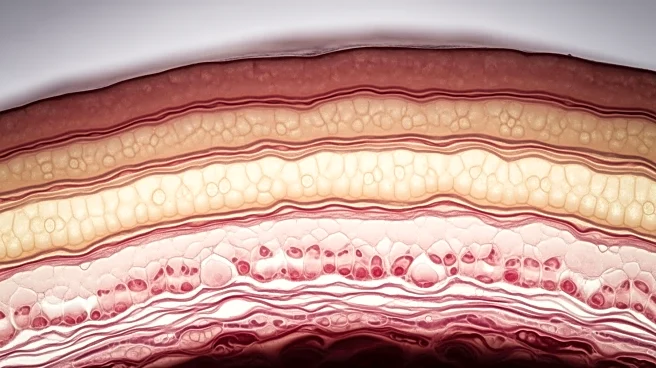

Mammalian skin is a complex organ that serves as the body's first line of defense against the external environment. It is composed of multiple layers, each with distinct functions and characteristics.
This article explores the intricate structure of mammalian skin, highlighting the roles of its various components in maintaining health and protection.
The Epidermis: Outer Shield
The outermost layer of mammalian skin is the epidermis, which acts as a barrier to infection and water loss. It is composed of stratified squamous epithelial cells, primarily keratinocytes, which produce keratin—a fibrous protein that provides strength and protection. The epidermis is further divided into several strata, including the stratum corneum, stratum granulosum, stratum spinosum, and stratum basale.
In areas where the skin is thicker, such as the palms and soles, an additional layer called the stratum lucidum is present. This layer provides extra protection and durability. The epidermis also contains melanocytes, which produce melanin and contribute to skin color. Despite its protective role, the epidermis lacks blood vessels and relies on the underlying dermis for nourishment.
The Dermis: Support and Sensation
Beneath the epidermis lies the dermis, a layer rich in connective tissue that provides structural support and elasticity. The dermis is divided into two regions: the papillary and reticular layers. The papillary layer is composed of loose connective tissue and contains finger-like projections called papillae, which interlock with the epidermis to strengthen the connection between the two layers.
The reticular layer is denser and contains collagen and elastin fibers, which give the skin its strength and flexibility. This layer also houses various structures, including hair follicles, sweat glands, sebaceous glands, and blood vessels. The presence of nerve endings in the dermis allows for the sensation of touch, temperature, and pain, making it an essential component of the sensory system.
The Hypodermis: Cushion and Insulation
The hypodermis, also known as the subcutaneous layer, lies beneath the dermis and is not technically part of the skin. It consists of loose connective tissue and adipose tissue, which provide cushioning and insulation. The hypodermis anchors the skin to underlying structures, such as muscles and bones, while allowing for flexibility and movement.
Adipose tissue in the hypodermis serves as an energy reserve and helps regulate body temperature by providing insulation. The hypodermis also contains larger blood vessels and nerves that supply the skin and play a role in thermoregulation.
In summary, the structure of mammalian skin is a testament to its complexity and functionality. Each layer, from the protective epidermis to the supportive dermis and insulating hypodermis, plays a vital role in maintaining the health and integrity of the body.