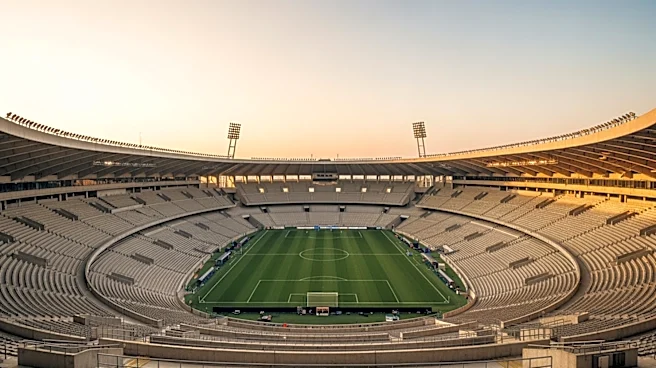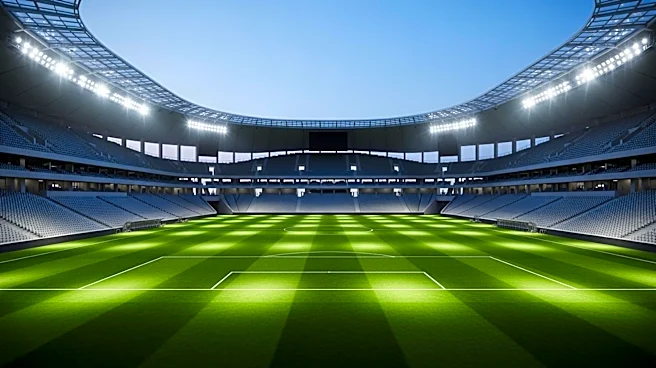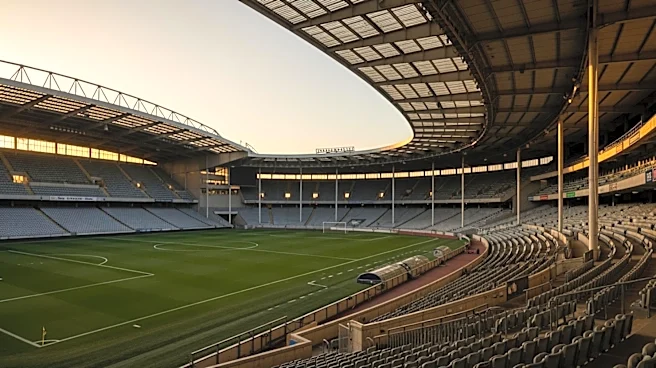





Estadio Corregidora is not just a sports venue; it is a landmark steeped in history and cultural significance. Located in Querétaro City, Mexico, the stadium is named after Josefa Ortiz de Domínguez, a key figure in the Mexican War of Independence. This article delves into the historical and cultural importance of Estadio Corregidora, highlighting its role in both local and national contexts.
A Tribute to a National Heroine
The stadium's name pays homage to Josefa Ortiz de Domínguez,
affectionately known as "La Corregidora." She played a crucial role in the early stages of the Mexican War of Independence, and her legacy is deeply ingrained in Mexican history. By naming the stadium after her, Querétaro honors her contributions and keeps her memory alive for future generations.
This connection to a national heroine adds a layer of historical depth to the stadium, making it more than just a venue for sports and entertainment. It serves as a reminder of the struggles and triumphs that shaped Mexico's path to independence. Visitors to the stadium are not only attending events but also engaging with a piece of the nation's history.
A Venue of National Importance
Estadio Corregidora's historical significance is further underscored by its role in hosting major international events. In 1986, it was one of the venues for the FIFA World Cup, a prestigious event that brought global attention to Querétaro. Hosting such an event was a testament to the stadium's capabilities and its importance on the national stage.
The stadium's design and construction were a collaborative effort between Mexican and European partners, reflecting a blend of cultural influences. This international collaboration highlights the stadium's role as a bridge between cultures, further enhancing its historical significance.
Cultural Impact on Querétaro
Beyond its historical connections, Estadio Corregidora has a profound cultural impact on the city of Querétaro. It serves as a gathering place for the community, hosting a variety of events that bring people together. From football matches to concerts, the stadium is a focal point of social and cultural life in the city.
The stadium's presence has also contributed to the local economy by attracting tourists and generating revenue through events. It stands as a symbol of progress and development, showcasing Querétaro's ability to host international events and its commitment to preserving its cultural heritage. As a historical and cultural landmark, Estadio Corregidora continues to play a vital role in the life of Querétaro and its people.