
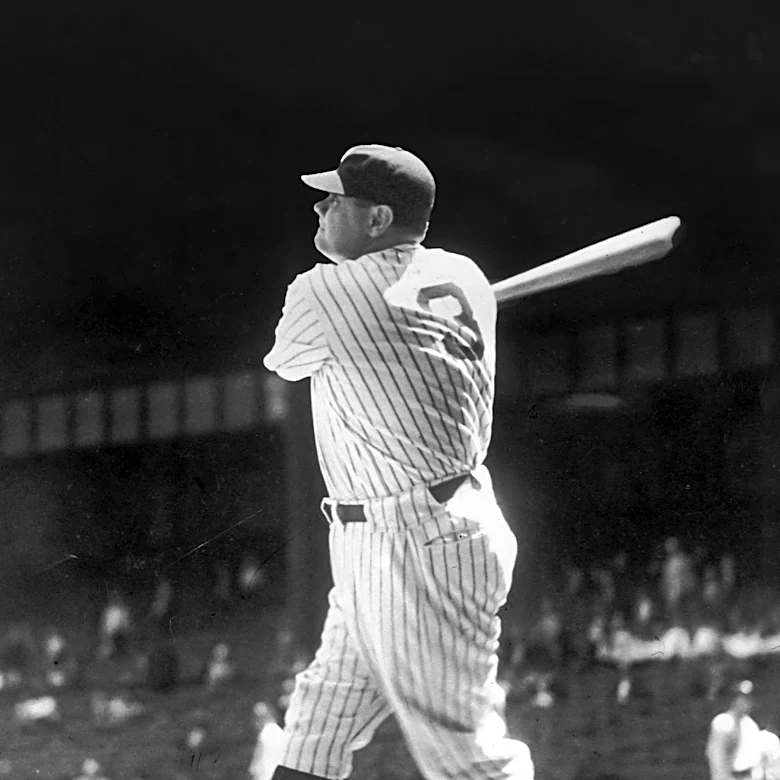





In the midst of World War II, baseball took on a new role beyond entertainment. On June 26, 1944, a unique three-way exhibition game known as the Tri-Cornered Baseball Game was held at the Polo Grounds in New York City. This event featured the Brooklyn Dodgers, New York Giants, and New York Yankees, and was organized to raise funds for the war effort. The game was not only a spectacle of athletic prowess but also a testament to the power of sports
in uniting people for a common cause.
A Novel Format for a Noble Cause
The Tri-Cornered Baseball Game was unlike any other baseball game of its time. It was played in a round-robin format, where each team took turns batting and fielding over six innings, while resting for the other three. This innovative setup allowed all three teams to face each other equally, creating a dynamic and engaging experience for the fans. The Dodgers emerged victorious, scoring five runs, while the Yankees managed one, and the Giants were unable to score.
The game was conceived by the War Loans Sports Committee as a means to sell war bonds, which were crucial for funding the U.S. war efforts. Tickets to the game were sold in the form of war bonds, with 40,000 unreserved tickets available for a $25 bond each, and reserved seats going for $100 or $1,000 bonds. This creative approach to ticket sales helped raise a significant amount of money for the war effort.
The Teams and Their Challenges
All three teams participating in the Tri-Cornered Baseball Game had winning records going into the exhibition. However, like many other Major League Baseball teams at the time, they were fielding short-handed rosters due to the war. Many regular players were serving in the military, which meant that teams had to rely on younger and less experienced players. For instance, the Dodgers' roster included 16-year-old shortstop Tommy Brown, one of the youngest players in MLB history.
Despite these challenges, the game featured several Hall of Fame players, including Ernie Lombardi, Joe Medwick, and Paul Waner. The managers were Leo Durocher for the Dodgers, Joe McCarthy for the Yankees, and Mel Ott for the Giants, who also played as an outfielder during the game.
The Impact and Legacy of the Game
The Tri-Cornered Baseball Game was attended by over 50,000 fans, with 49,605 paying for tickets through war bonds. The event raised about $4.5 million from ticket sales alone, with additional contributions bringing the total to over $56 million. This substantial sum was a testament to the event's success and the public's willingness to support the war effort through sports.
The game was described by New York Daily News sportswriter Dick Young as "the wackiest diamond battle ever conceived." It remains a unique chapter in baseball history, illustrating how sports can be leveraged for greater causes beyond the field. The Tri-Cornered Baseball Game not only provided entertainment but also played a vital role in supporting the nation's wartime needs.