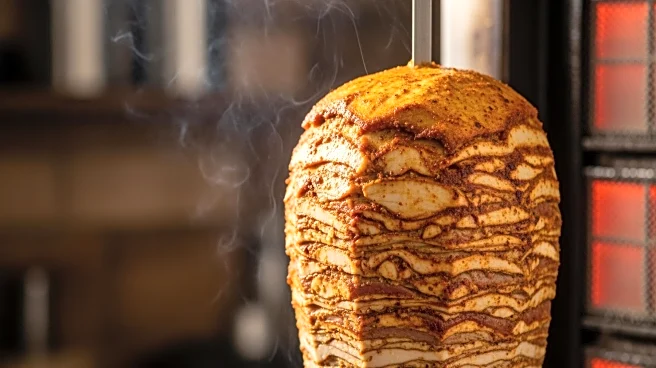

Vertical rotisserie cooking is a fascinating culinary technique that has been embraced by various cultures around the world. This method involves cooking meat on a vertical spit, allowing it to rotate
slowly over a heat source. The result is evenly cooked meat that is easy to shave off in thin slices. This technique is not only efficient but also enhances the flavor and texture of the meat, making it a popular choice for dishes like gyros, shawarma, and al pastor.
The Technique of Vertical Rotisserie
The vertical rotisserie method involves stacking slices of meat in an inverted cone shape on a tall spit. As the spit rotates, the meat is cooked evenly by a heat source, often a broiler or open flame. This slow rotation allows the meat to baste in its own juices, resulting in a tender and flavorful dish. The outer layer of the meat is shaved off in thin, crisp slices, which are then used in various dishes.
This cooking technique is versatile and can be adjusted by changing the intensity of the heat, the distance between the heat source and the meat, and the speed of the spit rotation. These adjustments allow cooks to cater to different rates of consumption and ensure that the meat is cooked to perfection.
Culinary Applications
Vertical rotisserie cooking is used in a variety of dishes across different cultures. In Greece, gyros are a popular street food made with pork or chicken cooked on a vertical rotisserie. The meat is served in pita bread with tomatoes, onions, fried potatoes, and tzatziki sauce. In the Middle East, shawarma is a similar dish made with lamb, chicken, or beef, often served with garlic sauce and pickles.
In Mexico, the al pastor style of cooking is a variation of the vertical rotisserie technique. Pork is marinated in a blend of chilies, spices, and pineapple, then cooked on a vertical spit. The meat is shaved off and served in corn tortillas with onions, cilantro, and pineapple, creating a delicious and unique flavor profile.
The Global Influence
The vertical rotisserie technique has had a significant impact on global cuisine. It has inspired a variety of dishes that are now enjoyed worldwide. The method's ability to produce tender, flavorful meat has made it a favorite among street food vendors and restaurants alike.
As cultures continue to blend and share culinary traditions, the vertical rotisserie remains a staple in many kitchens. Its versatility and efficiency make it an enduring technique that continues to delight food lovers around the globe. Whether it's a gyro in Greece, shawarma in the Middle East, or tacos al pastor in Mexico, the vertical rotisserie method is a testament to the art of cooking.