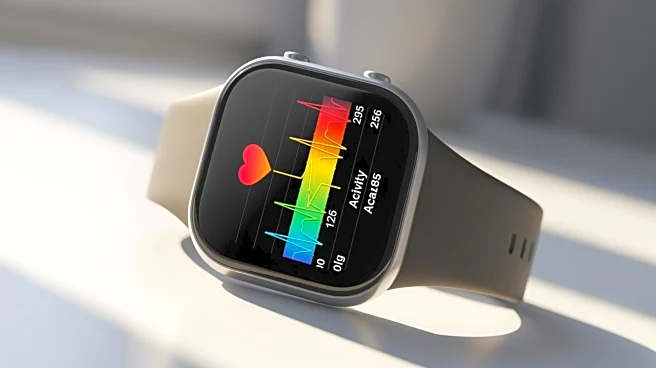




The Physical Activity Vital Sign (PAVS) is an innovative metric used in healthcare to assess a patient's physical activity levels. By integrating this measure into primary care, healthcare providers can better understand a patient's health status and identify those at risk for chronic diseases. This article explores the PAVS, its implementation, and its significance in promoting healthier lifestyles.
What is the Physical Activity Vital Sign?
The PAVS is a metric designed to evaluate a patient's
physical activity as part of their overall health assessment. It serves as a screening tool in primary care, helping to identify individuals who may not meet recommended physical activity guidelines. By correlating physical activity with body mass index (BMI) and chronic disease risk, the PAVS provides valuable insights into a patient's health.
Typically, the PAVS is assessed through self-reported questionnaires, where patients provide information about their daily activities. This data is then analyzed to determine whether patients are meeting the recommended levels of physical activity. The PAVS metric, when combined with demographic information, offers a comprehensive view of a patient's health and fitness levels.
Challenges and Limitations of the PAVS
While the PAVS is a valuable tool in healthcare, it is not without its challenges. One of the primary limitations is the reliance on self-reported data, which can be subject to inaccuracies. Patients may overestimate or underestimate their activity levels, affecting the validity of the PAVS in clinical settings.
Despite these challenges, the PAVS remains an important component of health assessments. By identifying patients who do not meet physical activity guidelines, healthcare providers can offer targeted interventions to improve health outcomes. Encouraging regular physical activity can help reduce the risk of chronic diseases such as heart disease, diabetes, and obesity.
The Future of the PAVS in Healthcare
As technology advances, the PAVS may evolve to incorporate more objective measures of physical activity. Wearable fitness trackers and other digital tools could provide more accurate data, enhancing the reliability of the PAVS metric. These innovations could lead to more effective health assessments and better patient outcomes.
Incorporating the PAVS into routine healthcare assessments emphasizes the importance of physical activity in maintaining overall well-being. By understanding and utilizing the PAVS, healthcare providers can promote healthier lifestyles and reduce the burden of chronic diseases, ultimately improving the quality of life for their patients.