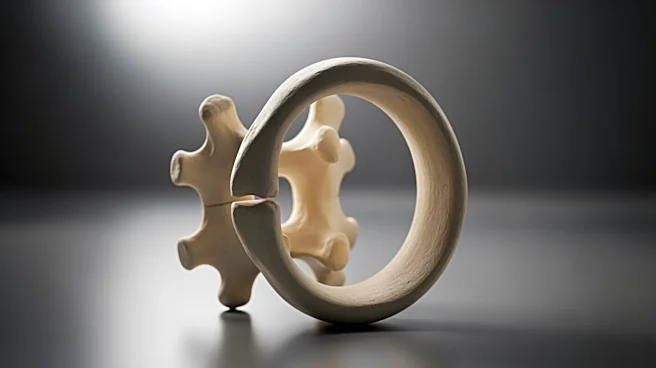






The atlas vertebra, known as C1, is the topmost cervical vertebra in the human spine. Named after the Greek Titan Atlas, who bore the weight of the heavens, this vertebra supports the human head. Its unique structure allows for a greater range of motion than other vertebrae, facilitating the nodding and rotation movements of the head. The atlas plays a crucial role in the connection between the skull and spine, making it an essential component of human anatomy.
Structure and Function
The atlas is distinct in its structure, lacking a body, which is a characteristic feature of other vertebrae. Instead, it consists of an anterior and posterior arch and two lateral masses. This ring-like formation allows the atlas to support the head while providing flexibility for movement. The atlanto-occipital joint, where the atlas meets the occipital bone of the skull, enables the head to nod up and down.
Below the atlas is the axis vertebra, which forms a pivot joint with the atlas. The dens, a projection from the axis, acts as a pivot that allows the atlas and attached head to rotate side to side. This unique arrangement is crucial for the mobility of the head, allowing humans to look around and interact with their environment.
Historical Context and Naming
The naming of the atlas vertebra has an interesting historical context. Initially, the term 'atlas' was used by the ancient Romans to refer to the seventh cervical vertebra (C7), due to its perceived ability to support burdens. However, around 1522, anatomists redefined the atlas as the first cervical vertebra, reflecting a shift in understanding of human anatomy.
This change in designation was symbolic, suggesting that the burden of humanity had shifted from physical to intellectual, with the head representing the mind. The atlas, therefore, not only supports the physical weight of the head but also symbolizes the intellectual and cognitive capabilities of humans.
Clinical Significance
The atlas vertebra is clinically significant due to its role in supporting the brainstem, which extends down to the axis. Injuries to the atlas, such as fractures, can have serious implications, potentially affecting neurological function. Conditions like craniocervical junction misalignment can impact cerebrospinal fluid flow, contributing to neurodegenerative diseases.
Understanding the anatomy and function of the atlas is crucial for medical professionals, as it plays a vital role in both the structural and neurological aspects of human health. Its unique design and historical significance make it a fascinating subject of study in the field of anatomy.