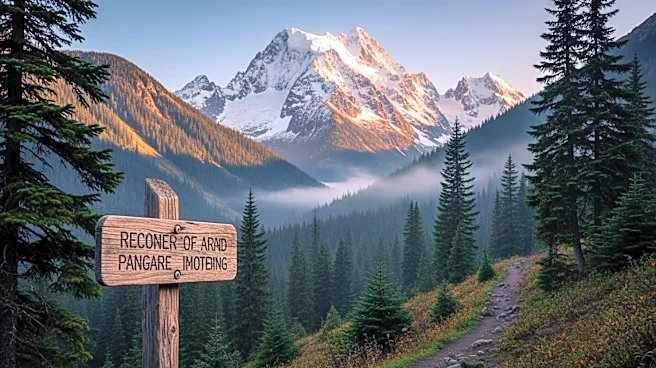





Mount Rainier National Park, located in Washington state, is not only a natural wonder but also a treasure trove of historical landmarks. Established in 1899, the park is home to Mount Rainier, a 14,411-foot stratovolcano, and includes 44 historic places listed on the National Register of Historic Places. This article delves into the rich history and significance of these landmarks, offering a glimpse into the past of this iconic national park.
The National Historic Landmark District
Mount
Rainier National Park is designated as a National Historic Landmark District, a testament to its historical and cultural significance. This designation includes 165 contributing structures and buildings, each with its own story to tell. Among these, four are recognized as National Historic Landmarks, highlighting their exceptional importance. The park's designation as a landmark district underscores the value of preserving its historical integrity for future generations.
The park's historic structures are not just relics of the past; they are integral to understanding the development and management of national parks in the United States. These buildings and structures reflect the architectural styles and construction techniques of their time, offering insights into the challenges and triumphs of early park management.
Notable Historic Sites
Among the 44 properties and districts listed on the National Register, several stand out for their historical and architectural significance. The Longmire Historic District, for example, is a key site within the park. Established in the early 20th century, it served as a hub for park visitors and staff. The district's buildings, constructed in the rustic style typical of national parks, blend harmoniously with the natural surroundings, showcasing the early efforts to integrate human structures with the environment.
Another notable site is the White River Patrol Cabin, which dates back to the early days of the park's establishment. This cabin, like others in the park, was used by rangers for patrol and maintenance activities. Its preservation offers a window into the daily lives of those who worked to protect and maintain the park's natural resources.
The Role of Preservation
Preserving these historic landmarks is crucial for maintaining the cultural heritage of Mount Rainier National Park. The National Park Service plays a vital role in this effort, ensuring that these sites are protected and maintained for educational and recreational purposes. By preserving these structures, the park not only honors its past but also provides visitors with a tangible connection to history.
The historic landmarks of Mount Rainier National Park are more than just buildings; they are symbols of the park's enduring legacy. As visitors explore these sites, they gain a deeper appreciation for the park's history and the efforts to preserve its unique character. Through continued preservation, these landmarks will remain a vital part of the park's story for generations to come.