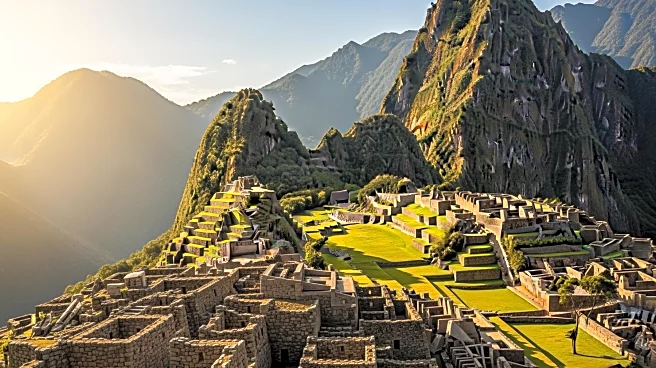


Machu Picchu stands as a testament to the ingenuity and cultural richness of the Inca civilization. Often referred to as the "Lost City of the Incas," this archaeological marvel has captured the imagination of people worldwide. Its cultural significance extends beyond its historical roots, influencing modern society and tourism.
Inca Civilization and Architectural Mastery
The construction of Machu Picchu showcases the architectural mastery of the Inca civilization. Built in the classical Inca style,
the site features finely crafted dry-stone walls and notable structures such as the Temple of the Sun and the Intihuatana ritual stone. These structures reflect the Inca's advanced engineering skills and their ability to harmonize architecture with the natural landscape.
Machu Picchu is believed to have served as an estate for the Inca emperor Pachacuti, highlighting its importance as a royal retreat. The site's design and layout demonstrate the Inca's understanding of astronomy and their connection to the natural world. The Intihuatana stone, for example, aligns with solar events and sacred mountains, indicating its role in Inca rituals.
Symbolic Impact and Modern Recognition
The symbolic impact of Machu Picchu extends beyond its historical significance. It represents the resilience and cultural heritage of the Inca civilization, serving as a source of pride for Peru and the Andean region. The site's designation as a UNESCO World Heritage Site in 1983 and its inclusion in the New Seven Wonders of the World in 2007 further underscore its global recognition.
Machu Picchu attracts over 1.5 million visitors annually, making it Peru's most visited international tourist destination. Its allure lies in its mysterious past and breathtaking beauty, drawing tourists from around the world. The site's cultural significance is celebrated through various media, including films, documentaries, and literature.
Challenges and Preservation Efforts
Despite its cultural significance, Machu Picchu faces challenges related to preservation and sustainability. The influx of tourists has raised concerns about overcrowding and environmental impact. The Peruvian government has implemented measures to manage tourism, including limiting the number of daily visitors and introducing stricter entrance regulations.
Efforts to preserve Machu Picchu's cultural heritage include ongoing archaeological research and conservation programs. These initiatives aim to protect the site's integrity while allowing visitors to experience its historical and cultural significance. The balance between tourism and preservation remains a critical focus for stakeholders.
In conclusion, Machu Picchu's cultural significance is multifaceted, encompassing its historical roots, architectural mastery, and symbolic impact. As a global icon, it continues to inspire and captivate people worldwide, while efforts to preserve its legacy ensure that future generations can appreciate its cultural richness.