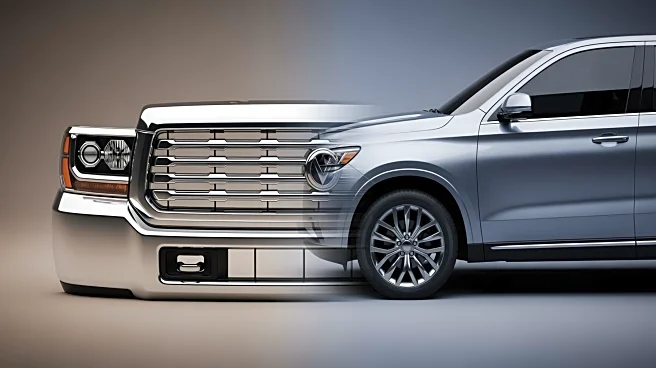



GMC, a division of General Motors, has a rich history that spans over a century, evolving from a manufacturer of heavy-duty trucks to a brand synonymous with luxury SUVs. This transformation reflects the changing demands and preferences of consumers, as well as GMC's ability to adapt and innovate within the automotive industry.
Early Beginnings and Heavy-Duty Trucks
GMC's journey began in 1912 when it started producing trucks under the General Motors umbrella. Initially, GMC focused on
heavy-duty trucks, catering to industries that required robust and reliable vehicles for transporting goods. These trucks were known for their durability and strength, making GMC a trusted name in the commercial vehicle sector.
Throughout the mid-20th century, GMC continued to expand its lineup of trucks, introducing models like the GMC General, a Class 8 truck that was produced from 1977 to 1987. The General was the largest conventional-cab truck ever produced by GMC, showcasing the brand's commitment to meeting the needs of heavy-duty transportation.
Transition to SUVs and Crossovers
As consumer preferences shifted towards more versatile and comfortable vehicles, GMC began to diversify its offerings. The introduction of the GMC Acadia in 2006 marked a significant shift for the brand, as it entered the crossover SUV market. The Acadia was designed to replace several older models, offering a modern and spacious alternative for families and individuals seeking a reliable vehicle.
The Acadia's success paved the way for GMC to further explore the SUV segment. In 2010, the Acadia Denali was introduced, bringing luxury features and premium styling to the lineup. This move was part of GMC's strategy to position itself as a brand that offers both utility and luxury, appealing to a broader range of consumers.
The Rise of the Denali Trim
One of the most notable developments in GMC's evolution is the introduction of the Denali trim level. Launched in 1998, the Denali nameplate represents the highest level of luxury within the GMC lineup. Vehicles with the Denali trim feature premium materials, advanced technology, and distinctive styling, setting them apart from the standard models.
The Denali trim has become a significant part of GMC's identity, accounting for a substantial portion of the brand's sales. It offers consumers a luxury experience without the premium price tag associated with other luxury brands, making it an attractive option for those seeking both style and substance.
GMC's ability to adapt to market trends and consumer demands has allowed it to remain a relevant and respected name in the automotive industry. From its origins in heavy-duty trucks to its current lineup of luxury SUVs, GMC continues to innovate and evolve, meeting the needs of modern drivers.