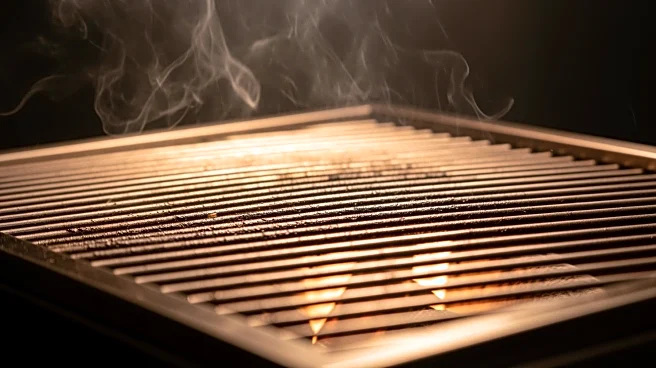

Grilling is a popular cooking method that involves applying direct heat to food, often resulting in a deliciously charred exterior and a juicy interior. This technique is widely used for cooking meats
and vegetables quickly, and it can be performed using various heat sources such as charcoal, gas, or wood. Understanding the science behind grilling can enhance the cooking experience and improve the quality of the food prepared.
The Basics of Grilling
Grilling involves cooking food on a grill, which is an open wire grid, or using a grill pan with raised ridges. The heat source can be positioned above, below, or to the side of the food. In the United States, when the heat source is above, the process is known as broiling. The primary method of heat transfer in grilling is thermal radiation, which allows for quick cooking at high temperatures.
Direct heat grilling can expose food to temperatures exceeding 500 °F. This high heat is essential for the Maillard reaction, a chemical process that gives grilled meat its distinctive aroma and flavor. The Maillard reaction occurs when foods reach temperatures above 310 °F, resulting in the browning and flavor development that grilling is known for.
Grilling Techniques and Tools
There are several techniques and tools used in grilling, each offering unique benefits. Grid ironing involves cooking food on a grill suspended above a heat source, often outdoors using charcoal, wood, or propane gas. Some grills come with covers, allowing them to be used as smokers or for grill-roasting.
Charcoal kettle-grilling is a popular method where food is grilled over a charcoal fire in a kettle, creating charred edges and grill marks. Restaurants may replicate this experience using ceramic lava rocks or infrared heat sources. Grill-baking combines grilling and roasting, allowing for the cooking of stuffed or coated meats and even baking breads and casseroles.
Health Considerations in Grilling
While grilling is often seen as a healthy cooking method due to the reduction of oils, it is important to be aware of potential health risks. Cooking meats at high temperatures can lead to the formation of carcinogenic compounds such as heterocyclic amines and polycyclic aromatic hydrocarbons. These compounds form when fat and juices drip onto the heat source, causing flames that adhere to the meat.
To mitigate these risks, marinating meats can reduce the formation of harmful compounds. Additionally, avoiding prolonged cooking times and direct exposure to open flames can help. Precooking meat in a microwave before grilling can also reduce the time needed on the grill, minimizing exposure to high heat.
Grilling is a versatile and enjoyable cooking method that, when done with care, can produce delicious and healthy meals. Understanding the techniques and science behind grilling can enhance the culinary experience and ensure that the food is both flavorful and safe to eat.