


Madagascar, an island nation off the southeastern coast of Africa, is a land of unique biodiversity and stunning landscapes. Despite its rich natural resources, the tourism industry in Madagascar remains underdeveloped. The government sees tourism as a key strategy for economic growth and poverty reduction, yet several challenges hinder its full potential. This article explores the potential and challenges of developing tourism in Madagascar.
Unique Attractions
Madagascar
is home to some of the world's most unique wildlife and ecosystems. The island's isolation from the African mainland has allowed its flora and fauna to evolve independently, resulting in a high level of endemism. Tourists are drawn to Madagascar's diverse wildlife, including lemurs, birds, and orchids, many of which cannot be found anywhere else in the world. The Analamazoatra Reserve, for example, is a popular destination for observing the indri, the largest species of lemur.
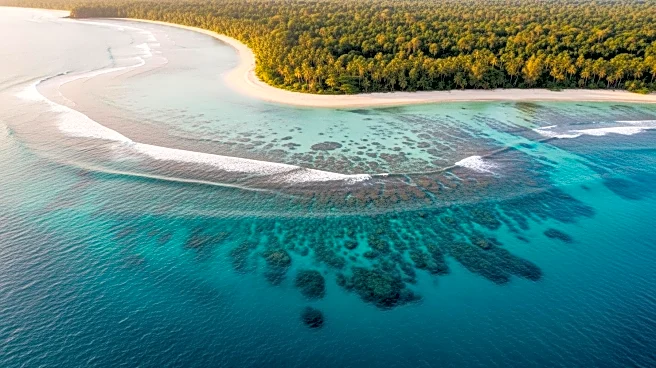
In addition to its wildlife, Madagascar boasts beautiful beaches and historical sites. The capital city, Antananarivo, is home to the Royal Palace and the sacred hill of Ambohimanga, both UNESCO World Heritage sites. The island's artisan communities, known for their craftsmanship in marquetry, embroidery, and toy-making, also attract visitors interested in cultural experiences.
Economic Importance
Tourism is currently the second-largest foreign exchange earner in Madagascar, highlighting its importance to the national economy. In 2007, tourism contributed 6.3% to the country's GDP and provided 206,000 jobs, accounting for 5.1% of total employment. The government aims to increase tourism's share of the economy as part of its strategy to reduce poverty and stimulate economic growth.
Despite its potential, the tourism industry in Madagascar faces significant challenges. Infrastructure is a major hurdle, with poorly paved roads and unreliable airline travel making it difficult for tourists to explore the island. The lack of high-quality hotels that meet international standards further limits the country's ability to attract more visitors.
Overcoming Challenges
To fully realize its tourism potential, Madagascar must address these infrastructure challenges. Improving roads, expanding air travel options, and developing more high-quality accommodations are essential steps. Additionally, diversifying the tourism offerings beyond wildlife and beaches to include cultural and historical experiences can attract a broader range of visitors.
The government has recognized the need for investment in infrastructure and is working to improve the situation. As these improvements take place, Madagascar's tourism industry has the potential to grow significantly, providing much-needed economic benefits to the country and its people. With its unique attractions and growing interest from international travelers, Madagascar is poised to become a major player in the global tourism market.