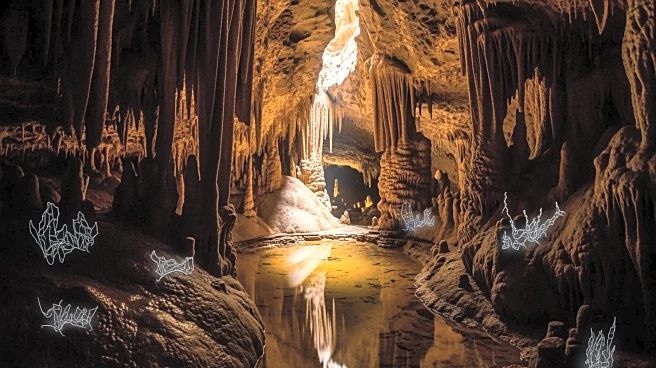




Carlsbad Caverns National Park, located in the Guadalupe Mountains of southeastern New Mexico, is a site of immense ecological and cultural importance. Known for its extensive cave system and unique wildlife, the park offers a glimpse into the natural and cultural history of the region. This article explores the ecological diversity and cultural heritage that make Carlsbad Caverns a significant landmark.
Ecological Diversity and Wildlife
Carlsbad Caverns National Park is home to a diverse
array of wildlife, including 17 species of bats. The Mexican free-tailed bats are perhaps the most famous residents, with their nightly flights drawing visitors from around the world. These bats emerge from the caverns in a spectacular display, spiraling upwards in a dense group. The bat population, once estimated to be in the millions, has declined over time, with recent counts using thermal imaging cameras estimating a peak of 793,000.
The park's ecological significance extends beyond its bat population. The Rattlesnake Springs Picnic Area, a detached part of the park, is a natural oasis that supports a remarkable variety of bird species. Over 300 bird species have been recorded in this riparian area, making it an Important Bird Area designated by the National Audubon Society. The park's diverse ecosystems provide critical habitats for a wide range of flora and fauna.
Cultural Heritage and Historical Significance
The cultural significance of Carlsbad Caverns is reflected in its history and the stories of those who explored and named its chambers. The town of Carlsbad, which lends its name to the caverns, is named after the Czech town of Karlovy Vary, formerly known as Karlsbad. This connection highlights the cultural ties that extend beyond the borders of the United States.
The caverns themselves have been a source of fascination and inspiration for generations. Jim White, the teenager who first explored the caverns, named many of the rooms and formations, leaving a lasting legacy. The park's designation as a national monument in 1923 and later as a national park in 1930 underscores its cultural and historical importance.
Preservation and Public Engagement
Carlsbad Caverns National Park is committed to preserving its unique ecological and cultural resources. The park offers a range of educational programs and events, such as bat flight viewings and star parties, to engage the public and foster a deeper appreciation for the natural world. These programs provide visitors with opportunities to learn about the park's wildlife, geology, and cultural history.
Through its dedication to conservation and public education, Carlsbad Caverns National Park continues to be a place of wonder and discovery. Its ecological diversity and cultural heritage make it a vital part of the natural and cultural landscape of the United States.