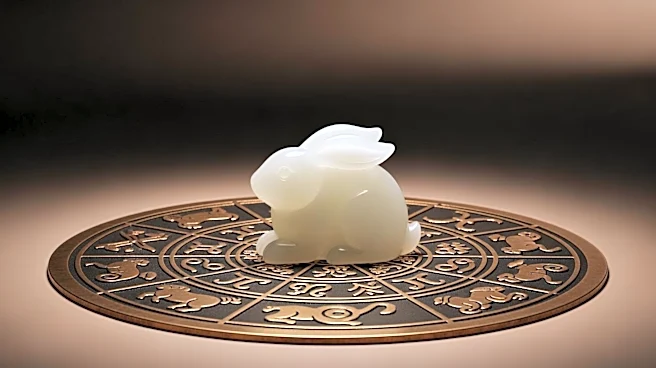






The Rabbit, or Hare, is a prominent figure in the Chinese zodiac, representing the fourth position in the twelve-year cycle of animals. Its journey into the Chinese zodiac is a fascinating tale that intertwines with cultural history and the evolution of beliefs. Understanding how the Rabbit came to be part of this ancient system offers insight into the cultural and historical context of the zodiac.
Origins and Introduction to China
The Chinese zodiac, with its twelve animal signs,
has been a part of Chinese culture for centuries. However, the Rabbit's introduction to China is relatively recent in historical terms. Rabbits were not native to China when the zodiac was first developed. Instead, hares were the only leporids present in the region. It wasn't until the 16th century that rabbits were introduced to China, marking a significant shift in the cultural landscape.
Despite their late arrival, rabbits quickly became integrated into Chinese culture and the zodiac. The Rabbit's inclusion in the zodiac reflects the adaptability of cultural symbols and the influence of external factors on traditional beliefs. The transition from hares to rabbits in the zodiac is a testament to the dynamic nature of cultural evolution and the ability of societies to incorporate new elements into existing frameworks.
The Rabbit's Role in the Zodiac
In the Chinese zodiac, each animal is associated with specific traits and characteristics. The Rabbit is often seen as a symbol of kindness, hope, and peace. These attributes align with the Rabbit's gentle nature and its role as a creature of harmony. The Rabbit's presence in the zodiac serves as a reminder of the importance of maintaining balance and fostering positive relationships.
The Rabbit's role in the zodiac is further emphasized by its association with the Earthly Branch symbol and the element of Wood. These connections highlight the Rabbit's link to growth, renewal, and vitality. The Rabbit's influence extends beyond individual traits, as it also plays a role in shaping the cultural and astrological landscape of the zodiac.
Global Variations and Cultural Impact
While the Rabbit holds a significant place in the Chinese zodiac, its role varies in other cultures. In the Vietnamese zodiac, the Rabbit is replaced by the Cat, reflecting regional differences in cultural symbolism. Similarly, the Malay zodiac features the Mousedeer in place of the Rabbit. These variations highlight the diverse interpretations of the zodiac and the adaptability of cultural symbols across different societies.
The Rabbit's journey into the Chinese zodiac is a story of cultural exchange and adaptation. Its inclusion reflects the dynamic nature of cultural beliefs and the ability of societies to incorporate new elements into traditional systems. As a symbol of kindness and hope, the Rabbit continues to hold a special place in the hearts of those who celebrate the Chinese zodiac.