



Microfiber has revolutionized the cleaning industry with its superior ability to trap dust and reduce bacteria. This article delves into how microfiber has become a preferred choice for cleaning applications, highlighting its advantages over traditional materials. By understanding these benefits, we can appreciate why microfiber is a staple in modern cleaning practices.
The Science Behind Microfiber's Cleaning Power
Microfiber is composed of synthetic fibers that are finer than one denier, with
a diameter of less than ten micrometers. This fine structure allows microfiber to clean on a microscopic scale, making it highly effective at trapping dirt and bacteria. Tests have shown that microfiber materials can reduce bacteria on surfaces by 99%, compared to only 33% with conventional cleaning materials.
The effectiveness of microfiber in cleaning is also attributed to its electrostatic properties, which enable it to attract and hold dust particles. Additionally, microfiber's ability to absorb oils and grease without leaving residue makes it ideal for cleaning sensitive surfaces like lenses and screens. These properties make microfiber a versatile and efficient cleaning tool.
Microfiber Products in Everyday Cleaning
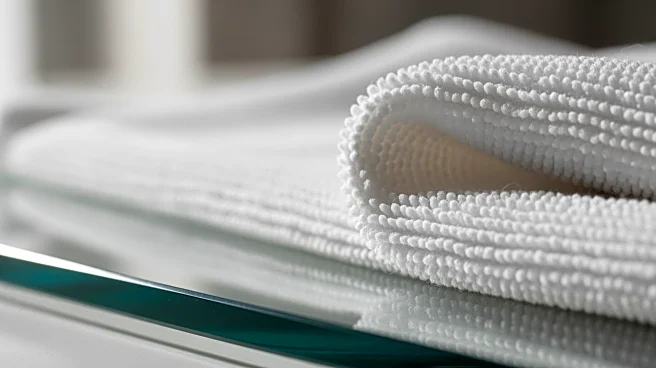
Microfiber cloths and mops are commonly used in both household and professional cleaning applications. These products are typically made from split bicomponent fibers, which enhance their ability to trap dirt and absorb liquids. Unlike cotton, microfiber leaves no lint, making it a preferred choice for cleaning tasks that require a streak-free finish.
In the automotive industry, microfiber is widely used by car detailers for tasks such as removing wax, cleaning interiors, and drying surfaces. Its fine fibers ensure that no lint or dust is left behind, providing a polished finish. The durability and effectiveness of microfiber products make them a cost-effective choice for long-term use.
The Environmental Impact of Microfiber
While microfiber offers numerous benefits in cleaning, it also poses environmental challenges. Microfiber products are made from synthetic materials that are not biodegradable, and they can contribute to plastic pollution when washed. Microfibers released during washing can enter waterways and contribute to the overall plastic pollution problem.
Efforts are being made to address these environmental concerns, such as developing microfiber filtration systems for washing machines. By understanding the environmental impact of microfiber, consumers and manufacturers can work towards more sustainable practices in the cleaning industry.
Microfiber's role in cleaning is a testament to its effectiveness and versatility. As we continue to seek efficient and sustainable cleaning solutions, microfiber remains a key player in the industry.