




Paul McCartney's debut solo album, simply titled "McCartney," marked a significant departure from his work with the Beatles. Released in 1970, the album was a product of McCartney's desire to explore his musical creativity independently. This article delves into the unique recording process and techniques that McCartney employed to bring his first solo project to life.
Recording in Secrecy
Following the Beatles' breakup, McCartney found himself in a period of personal
turmoil. Seeking solace and a creative outlet, he retreated to his home in St John's Wood, where he began recording the album in secrecy. Using basic home-recording equipment, McCartney embraced a lo-fi style that contrasted sharply with the polished productions of the Beatles. This approach allowed him to experiment freely without the constraints of a professional studio environment.
McCartney's decision to record at home was partly driven by his desire for privacy and control over the creative process. By working alone, he could explore new musical ideas without external pressures or expectations. This sense of freedom is evident in the album's raw and unrefined sound, which captures the spontaneity and authenticity of McCartney's solo work.
Overdubbing and Instrumentation
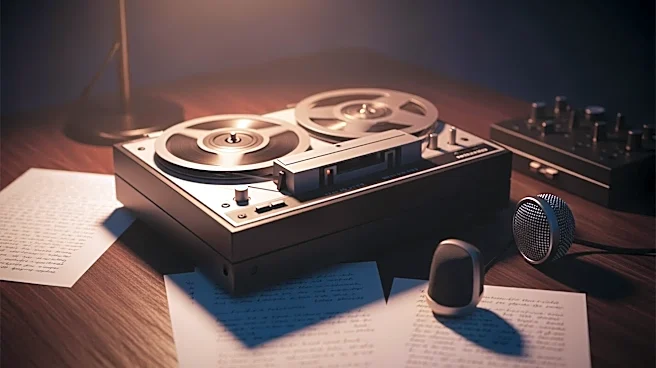
One of the most remarkable aspects of "McCartney" is that Paul McCartney performed nearly all the instruments himself. Utilizing a four-track tape recorder, he meticulously overdubbed each part, layering guitars, bass, keyboards, drums, and various percussion instruments. This one-man-band approach allowed McCartney to fully realize his musical vision, showcasing his versatility as a musician.
The album's instrumentation reflects McCartney's eclectic musical influences, ranging from rock and folk to experimental sounds. His wife, Linda McCartney, contributed occasional backing vocals, adding a personal touch to the recordings. The result is a collection of songs that feel intimate and personal, offering listeners a glimpse into McCartney's creative mind.
A Lo-Fi Aesthetic
In contrast to the Beatles' meticulously crafted albums, "McCartney" embraced a lo-fi aesthetic that emphasized simplicity and authenticity. The album's loosely arranged performances and unpolished sound were a deliberate choice, reflecting McCartney's desire to break away from the expectations of his past work.
This lo-fi approach resonated with listeners, as it captured the raw emotion and vulnerability of McCartney's music. Songs like "Maybe I'm Amazed" stood out for their heartfelt lyrics and stripped-down arrangements, earning praise from critics and fans alike. Over time, the album's influence on DIY musicians and lo-fi music styles became more apparent, solidifying its place in music history.
In conclusion, Paul McCartney's debut solo album "McCartney" was a bold and innovative project that showcased his talents as a musician and songwriter. Through his use of home recording techniques, overdubbing, and a lo-fi aesthetic, McCartney created a timeless work that continues to inspire artists today.