



The University of Illinois Urbana-Champaign is not only renowned for its academic excellence but also for its impressive architectural legacy. The campus features a variety of buildings designed by notable architects, showcasing styles that range from Georgian Revival to Beaux-Arts. This article explores the architectural significance of the university's buildings and the impact they have had on the campus's identity.
Georgian Revival Influence
One of the most prominent architectural
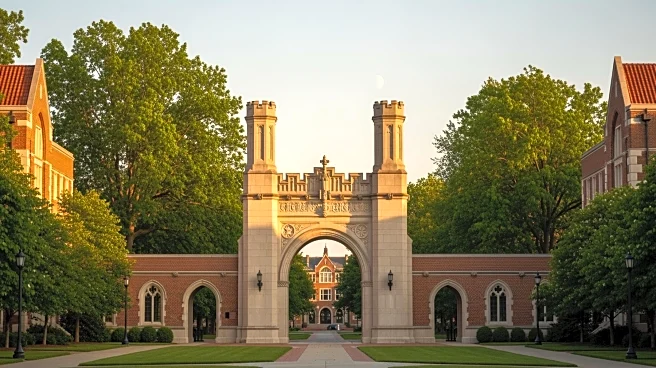
styles on the University of Illinois Urbana-Champaign campus is Georgian Revival, a style that was popular in the early 20th century. Charles A. Platt, a landscape architect hired by the university in 1923, played a pivotal role in adopting this style for the campus's master plan. Platt's design for the Main Library, completed in 1929, is a prime example of Georgian Revival architecture.
The Main Library's east facade features limestone archways and a green slate roof with dormers and tall chimneys, embodying the elegance and symmetry characteristic of Georgian Revival. Although the library was placed away from the campus center, its massive size and architectural detail underscore its importance in university life.
Beaux-Arts and Other Styles
In addition to Georgian Revival, the University of Illinois Urbana-Champaign campus boasts buildings designed in the Beaux-Arts style. The English Building, constructed in 1905, is a notable example, designed by the firm McKim, Mead & White. This building originally served as the Woman's Building, providing facilities for women's education, including practice kitchens and a gymnasium.
The English Building's Beaux-Arts design features a square-shaped plan with a two-story white portico, reflecting the grandeur and formality of the style. Over the years, the building has undergone several additions, yet it retains its architectural significance as a testament to the university's commitment to providing comprehensive education.
Modern Architectural Developments
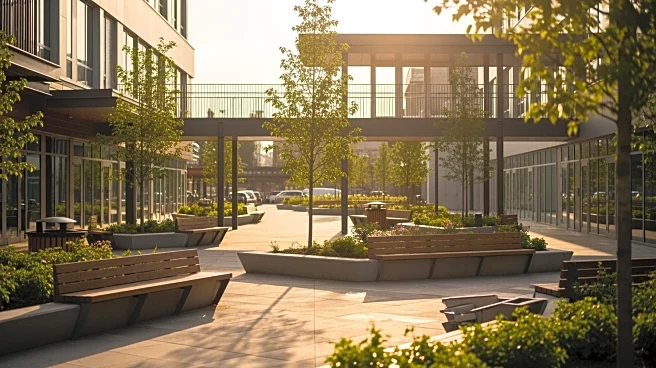
The university continues to expand and modernize its facilities, with recent plans to modify the Main Library to accommodate interdisciplinary learning spaces. This project involves demolishing and rebuilding sections of the library, ensuring it meets the evolving needs of the academic community.
The architectural legacy of the University of Illinois Urbana-Champaign is a vital aspect of its identity, reflecting the institution's history and dedication to academic excellence. As the campus evolves, its buildings remain a testament to the university's commitment to providing a conducive environment for learning and innovation.