





Vrksasana, commonly known as Tree Pose, is a balancing yoga posture that has become iconic in modern yoga practice. Its historical roots trace back to ancient times, with evidence suggesting its presence in medieval hatha yoga. This article delves into the origins and evolution of Vrksasana, highlighting its significance in the yoga tradition.
Ancient Beginnings
The name Vrksasana is derived from the Sanskrit words 'vrksa,' meaning tree, and 'asana,' meaning posture.
This pose is one of the few standing postures in medieval hatha yoga, indicating its longstanding presence in the yoga tradition. A 7th-century stone carving in Mahabalipuram depicts a figure standing on one leg, suggesting that a pose similar to Vrksasana was practiced during that era. This historical evidence points to the ancient roots of the Tree Pose, showcasing its enduring relevance in yoga.
Sadhus, or holy men, sometimes disciplined themselves by meditating in Vrksasana, further emphasizing its spiritual significance. The pose is also described in the 17th-century Gheraṇḍa Saṃhitā, a classical text on yoga, which highlights its importance in traditional yoga practices. These historical references underscore the deep cultural and spiritual connections associated with Vrksasana.
Modern Icon
In contemporary times, Vrksasana has gained popularity as a symbol of modern yoga. It is frequently featured in yoga magazines and public displays, such as the International Day of Yoga, where practitioners showcase their balance and focus through this iconic pose. The Tree Pose's simplicity and elegance make it a favorite among yoga enthusiasts, contributing to its widespread recognition.
The pose is typically entered from Tadasana, or Mountain Pose, with one knee bent and the foot placed on the inner thigh of the standing leg. Alternatively, the bent leg may be placed in a half lotus position. The hands are held above the head, either pointed directly upwards or clasped together in anjali mudra, a gesture of reverence. These variations allow practitioners to adapt the pose to their level of comfort and balance.
Cultural Significance
Vrksasana's cultural significance extends beyond its physical execution. It is recommended for older individuals to help maintain good balance and reduce the risk of falls, highlighting its practical benefits. Preliminary evidence suggests that a yoga program including Tree Pose may aid in preventing falls among the elderly, showcasing its potential impact on health and wellness.
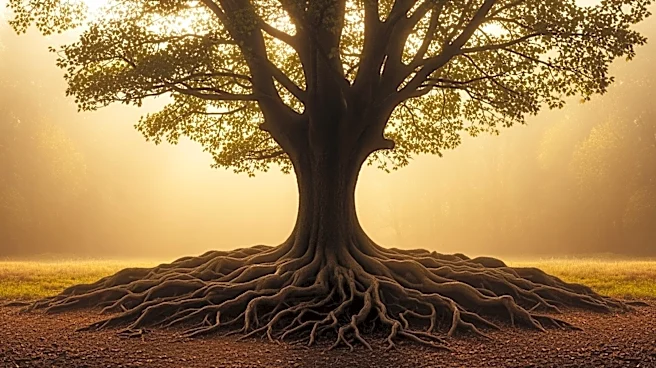
The pose's symbolic representation of growth and stability resonates with practitioners, embodying the qualities of a tree—grounded yet reaching towards the sky. This symbolism enhances the spiritual experience of practicing Vrksasana, connecting individuals to nature and their inner selves.
In conclusion, Vrksasana's historical roots and cultural significance make it a cherished pose in the yoga tradition. Its evolution from ancient carvings to modern displays reflects the enduring appeal and relevance of the Tree Pose in promoting balance, focus, and spiritual growth.