






Joe Montana, often regarded as one of the greatest quarterbacks in NFL history, had a career filled with remarkable achievements and memorable moments. From his early days with the San Francisco 49ers to his final seasons with the Kansas City Chiefs, Montana's career is a testament to his skill, leadership, and ability to perform under pressure.
Early Success with the 49ers
Montana began his NFL career with the San Francisco 49ers in 1979, quickly establishing himself as a formidable
quarterback. His first major success came in the 1981 season when he led the 49ers to their first Super Bowl victory. The season was highlighted by "The Catch," a game-winning touchdown pass to Dwight Clark in the NFC Championship Game against the Dallas Cowboys. This moment is etched in NFL history and marked the beginning of Montana's legacy as a clutch performer.
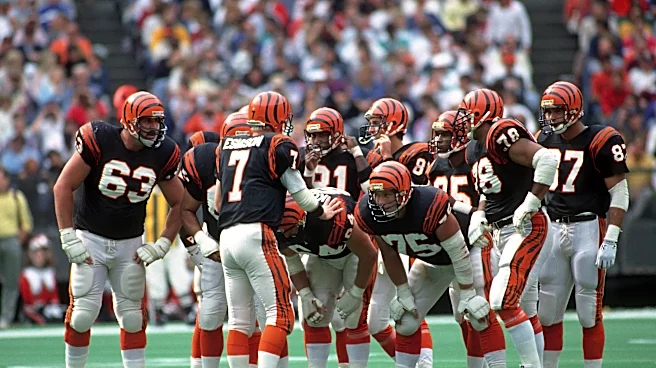
Throughout the 1980s, Montana continued to excel, leading the 49ers to three more Super Bowl victories. His ability to remain calm under pressure earned him the nickname "Joe Cool," and he was known for orchestrating game-winning drives in critical moments. Montana's performance in Super Bowl XXIII, where he led a 92-yard drive to secure a victory against the Cincinnati Bengals, is a prime example of his poise and skill.
Records and Accolades
Montana's career is filled with records and accolades that highlight his impact on the game. He was the first player to be named Super Bowl MVP three times, and he holds the Super Bowl record for most passes without an interception. His career passer rating of 92.3 was second only to his successor, Steve Young, at the time of his retirement.
In addition to his Super Bowl successes, Montana was named NFL MVP twice and was selected to eight Pro Bowls. His ability to perform consistently at a high level made him a respected figure in the league and a role model for aspiring quarterbacks.
Legacy and Influence
Joe Montana's influence on football extends beyond his on-field achievements. He set a standard for quarterback play that has inspired generations of players. His leadership, precision, and ability to perform in high-pressure situations have become benchmarks for evaluating quarterbacks.
Montana's legacy is further cemented by his induction into the Pro Football Hall of Fame in 2000 and the retirement of his number 16 jersey by the 49ers in 1997. His career serves as a reminder of the impact one player can have on a team and a sport, and his influence continues to be felt in the NFL today.