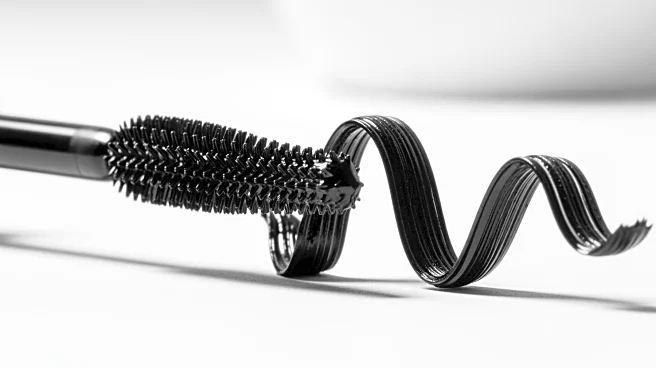

Mascara is a cosmetic product designed to enhance the appearance of eyelashes by darkening, lengthening, and thickening them. This article delves into the ingredients and manufacturing processes that make
mascara an essential part of beauty routines. Understanding these components can help consumers make informed choices about the products they use.
Key Ingredients in Mascara
Mascara formulations typically contain pigments, oils, waxes, and preservatives. The pigmentation for black mascara is similar to that used by ancient Egyptians and Victorian women, with iron oxides being the primary coloring agents. Black and brown mascaras often use iron oxides, while some may contain ultramarine blue for a different hue.
The base mixture of mascara includes pigments, waxes, and oils, with titanium dioxide and iron oxides providing the desired color. Titanium dioxide gives a white color, while iron oxides offer red, yellow, brown, and black shades. Common oils used in mascara include linseed oil, castor oil, eucalyptus oil, lanolin, and oil of turpentine, with sesame oil also being popular. Waxes such as paraffin wax, carnauba wax, and beeswax are frequently found in mascara formulations.
Manufacturing Processes
Mascara is manufactured using two primary methods: anhydrous and emulsion. In the anhydrous method, all waxes, oils, and pigments are mixed, heated, and agitated simultaneously. The emulsion method begins by combining water and thickeners, while waxes and emulsifiers are mixed separately. Pigment is added to both mixtures before they are combined in a homogenizer, which thoroughly mixes the ingredients.
The desired effects of mascara, such as water resistance or lash lengthening, dictate variations in ingredients. Water-resistant mascaras require hydrophobic components like dodecane, while non-water-resistant mascaras have water-soluble bases. Lengthening or curling mascaras often contain nylon or rayon microfibers, with ceresin, gum tragacanth, and methyl cellulose serving as stiffeners.
Safety and Shelf Life
Mascara has a shelf life of two to four months, and safety is a crucial consideration for consumers. Eye cosmetics containing kohl or similar materials pose a lead poisoning risk, and products with mercury as thiomersal are widely used in mascara manufacturing. Allergic reactions can occur due to components like methylparaben, aluminum powder, and benzyl alcohol.
Proper cleaning is essential to prevent mascara from depositing under the conjunctiva or incubating microbes. Consumers should be aware of potential allergens and choose products that align with their safety preferences. Understanding the ingredients and manufacturing processes of mascara can empower users to make informed decisions about their beauty products.