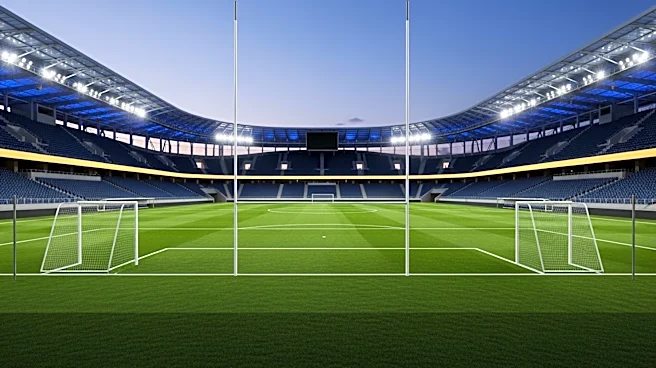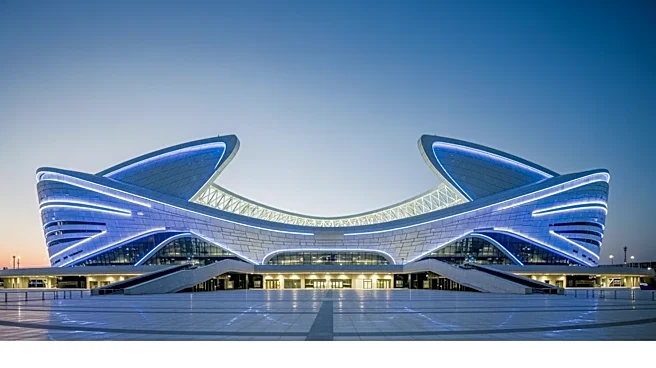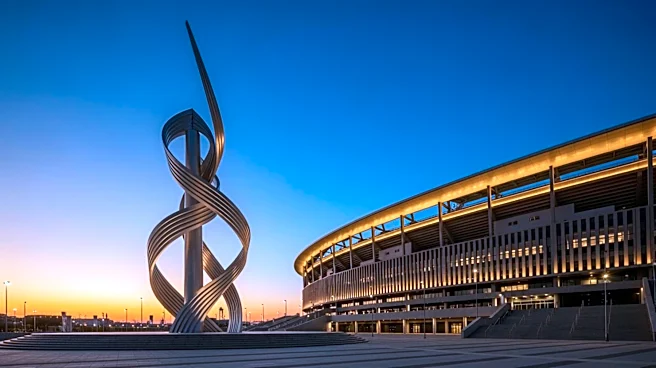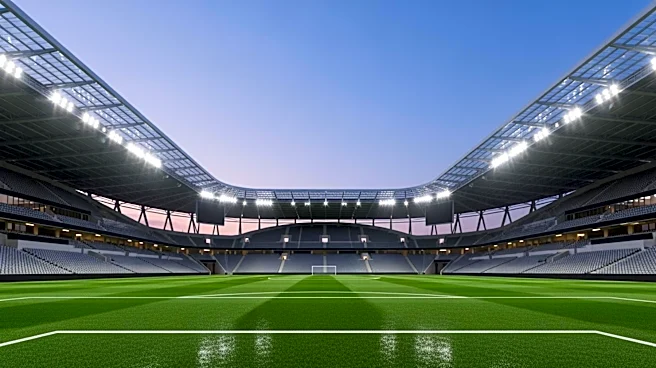



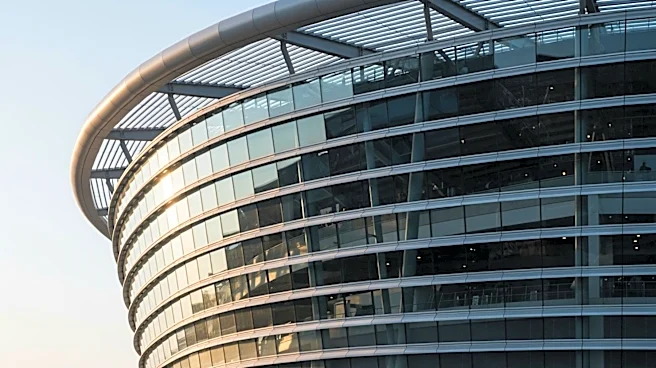
Crasus Dome Oita, a prominent stadium in Ōita, Japan, has undergone significant transformations since its inception. Originally built for the 2002 FIFA World Cup, the stadium has evolved in both structure and identity, reflecting changes in sponsorship and regional development. This article traces the timeline of Crasus Dome Oita, highlighting key milestones in its history.
Early Years and Construction
The stadium was constructed in 2001, designed by the acclaimed architect Kisho
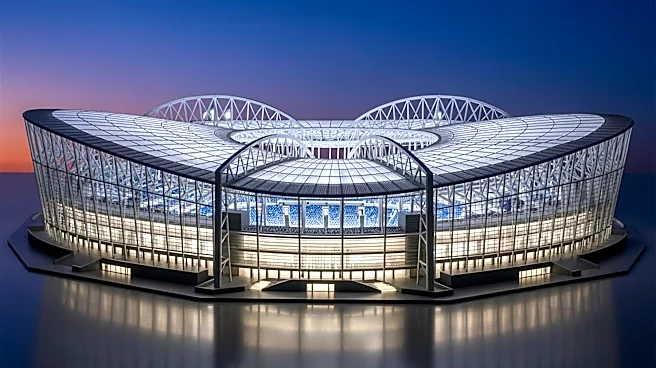
Kurokawa. It was initially named Ōita Stadium and boasted a capacity of 43,000 seats. The design incorporated a retractable roof, a feature that set it apart from other stadiums of its time. The roof's wire traction system allows it to open or close within 20 minutes, providing flexibility for various events.
The construction was led by the Takenaka Corporation, with the stadium opening its doors in May 2001. It was built to host matches for the 2002 FIFA World Cup, marking its debut on the international sports stage. Following the World Cup, the stadium's capacity was reduced to 40,000 seats by removing 3,000 movable seats.
Sponsorship and Name Changes
The stadium's name has changed multiple times due to sponsorship deals. In 2006, it was renamed Kyushu Oil Dome after a sponsorship agreement with Kyushu Oil. This marked the beginning of a series of name changes that reflected the stadium's evolving identity.
In 2010, the stadium became Ōita Bank Dome when Ōita Bank acquired the naming rights. This change was followed by another in 2019, when Showa Denko acquired the rights, renaming the stadium Showa Denko Dome Oita. The most recent change occurred in January 2025, when the stadium was renamed Crasus Dome Oita, following a sponsorship deal with Crasus Chemical Co., Ltd, a subsidiary of Resonac.
Multifaceted Venue
Throughout its history, Crasus Dome Oita has served as a versatile venue for various events. It is primarily used for football, being the home field of the J.League club Ōita Trinita. The stadium has also hosted rugby matches, concerts, and other major sports events, including the 2019 Rugby World Cup.
The stadium's ability to adapt to different types of events has made it a valuable asset to the city of Ōita and the surrounding region. Its architectural design and multifunctional capabilities continue to attract visitors and sports enthusiasts from around the world, ensuring its place as a key venue in Japan's sports landscape.