



Vitamin C, also known as ascorbic acid, is a vital nutrient that plays a crucial role in maintaining health. It is widely recognized for its antioxidant properties and its role in collagen synthesis. While most animals can synthesize vitamin C, humans must obtain it from dietary sources. This article explores the diverse sources of vitamin C, focusing on both plant and animal origins.
Plant Sources of Vitamin C
Fruits and vegetables are the richest natural sources of vitamin
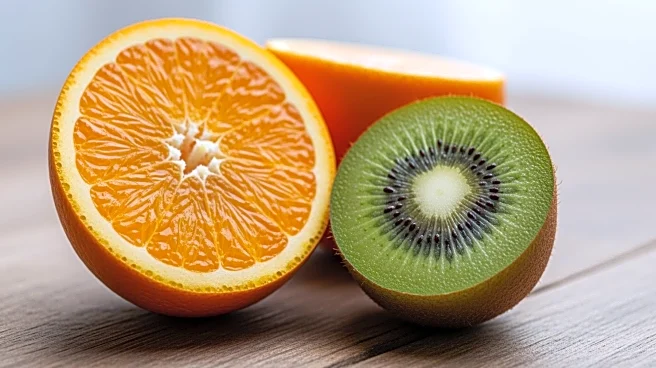
C. Among these, citrus fruits like oranges, lemons, and limes are well-known for their high vitamin C content. However, many other fruits and vegetables also provide significant amounts of this essential nutrient. For instance, guava, blackcurrants, and kiwifruit are particularly rich in vitamin C, offering more than 100 mg per 100 grams of the edible portion.
Vegetables such as bell peppers, broccoli, and Brussels sprouts are also excellent sources. Bell peppers, in particular, contain about 80.4 mg of vitamin C per 100 grams, making them a valuable addition to a vitamin C-rich diet. The abundance of vitamin C in these plant sources highlights the importance of including a variety of fruits and vegetables in one's diet to meet the recommended daily intake.
Animal Sources of Vitamin C
While plant sources are the primary providers of vitamin C, some animal-derived foods also contain this nutrient, albeit in smaller amounts. For example, raw chicken liver contains approximately 17.9 mg of vitamin C per 100 grams. However, cooking significantly reduces the vitamin C content, with fried chicken liver containing only 2.7 mg per 100 grams.
Human breast milk is another source, providing about 5.0 mg of vitamin C per 100 grams. In contrast, cow's milk contains only 1.0 mg per 100 grams, and the pasteurization process further diminishes its vitamin C content. These animal sources, while not as rich as plant sources, can still contribute to overall vitamin C intake, especially in diets that include a variety of foods.
The Impact of Food Preparation on Vitamin C
The preparation and cooking of food can significantly affect its vitamin C content. Vitamin C is sensitive to heat, light, and air, which can lead to its degradation. Cooking methods such as boiling can reduce the vitamin C content of vegetables by up to 60%, as the vitamin leaches into the cooking water. To preserve vitamin C, it is advisable to consume fruits and vegetables raw or use cooking methods that minimize nutrient loss, such as steaming or microwaving.
In conclusion, a diverse diet rich in fruits and vegetables is essential for obtaining adequate vitamin C. While animal sources can contribute, plant-based foods remain the most effective way to meet daily vitamin C needs. Understanding the impact of food preparation on vitamin C content can help individuals make informed dietary choices to maintain optimal health.