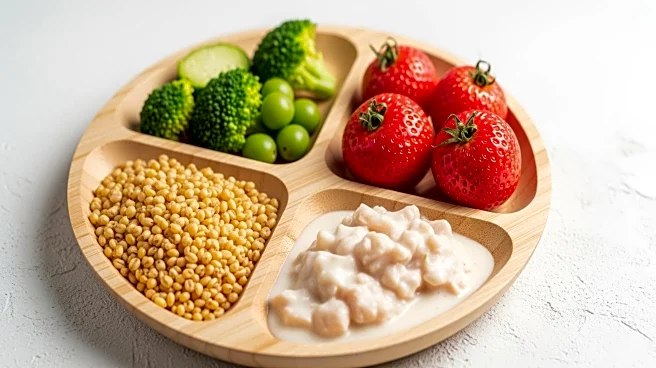



The MyPlate nutrition guide is a key tool used in the United States to promote healthy eating habits. Developed by the USDA, MyPlate replaced the previous MyPyramid guide in 2011, offering a more straightforward approach to dietary recommendations. This guide is designed to help Americans make informed food choices by visually representing the ideal proportions of different food groups on a plate. With its emphasis on fruits, vegetables, grains, protein,
and dairy, MyPlate serves as a practical framework for building balanced meals.
The Evolution of MyPlate
MyPlate emerged as the latest in a series of nutrition guides from the USDA, which began with the Basic 7 in 1943. Over the years, these guides have evolved to reflect changes in nutritional science and public health priorities. The transition from MyPyramid to MyPlate marked a significant shift in how dietary information was presented to the public. MyPyramid, criticized for its complexity, was replaced by the simpler, more intuitive MyPlate graphic. This change aimed to make nutritional guidelines more accessible and easier to understand for the average American.
The MyPlate icon features a plate divided into sections representing different food groups: fruits, vegetables, grains, protein, and dairy. This visual representation encourages individuals to fill half their plate with fruits and vegetables, a quarter with grains, and a quarter with protein, accompanied by a serving of dairy. The simplicity of this design helps people quickly grasp the concept of balanced eating without needing to measure exact portions.
Guidelines and Recommendations
MyPlate is supplemented with specific dietary recommendations to further guide healthy eating. These include suggestions like "Make half your plate fruits and vegetables," "Switch to 1% or skim milk," and "Make at least half your grains whole." These guidelines emphasize portion control and the reduction of sodium and sugar intake, aligning with broader public health goals.
The focus on fruits and vegetables is particularly significant, as these food groups are rich in essential nutrients like vitamin C, dietary fibers, and folate. Consuming a variety of fruits and vegetables is linked to numerous health benefits, including disease prevention and healthy aging. MyPlate encourages individuals to choose a mix of different colors of fruits and vegetables to maximize nutrient intake.
Impact and Criticism
While MyPlate has been praised for its simplicity and emphasis on fruits and vegetables, it has also faced criticism. Some argue that the protein section is unnecessary, as protein can be obtained from other food groups. Additionally, the dairy section has been questioned for its relevance, given that some individuals may not require dairy in their diet.
Despite these critiques, MyPlate remains a widely used tool in nutrition education across the United States. It is displayed on food packaging and promoted through various educational initiatives, including Michelle Obama's Let's Move! campaign, which aimed to reduce childhood obesity. By providing clear and actionable dietary guidelines, MyPlate continues to play a crucial role in shaping the eating habits of Americans.