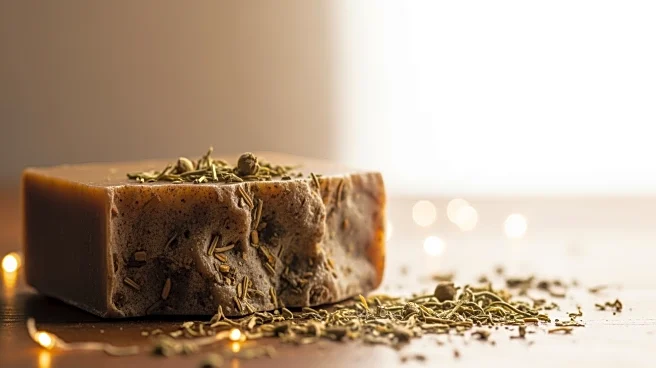




Soap has been an essential part of human hygiene for millennia, evolving from rudimentary mixtures to the sophisticated products we use today. This journey through time highlights not only the technological advancements in soap making but also its cultural and social significance across different eras and regions.
Early Beginnings and Ancient Practices
The earliest recorded evidence of soap-like substances dates back to ancient Babylon around 2800 BC. These early soaps were made by heating
a mixture of fats and wood ash, a process that laid the groundwork for future soap making techniques. In ancient Egypt, soap-like products were used for medicinal purposes and in the preparation of wool for weaving.
As civilizations advanced, so did the methods of soap production. The Romans, for instance, initially avoided soap for personal hygiene, preferring to use oil and a strigil to clean their bodies. However, they eventually adopted the use of soap from the Gauls, who were known for their soap made from tallow and ashes.
The Middle Ages and the Rise of Soap Industries
During the Middle Ages, soap making became a recognized craft in Europe, with centers of production emerging in Italy and Spain. The use of olive oil instead of animal fats led to the creation of milder soaps, which were highly sought after. By the 15th century, soap production had become industrialized in regions like Marseille and Castile, where the availability of olive oil facilitated large-scale manufacturing.
Soap's popularity continued to grow, and by the 17th century, it was a staple in many European households. The introduction of taxes on soap in England during the Restoration era made it a luxury item, accessible primarily to the wealthy. This changed in the mid-1800s when the tax was repealed, making soap more affordable and widely used.
Modern Innovations and Cultural Impact
The Industrial Revolution brought significant advancements in soap production, with the development of new methods and ingredients. The discovery of how to make alkali from common salt by Nicolas Leblanc in 1790 revolutionized the industry, leading to the production of high-quality soaps at a lower cost.
Today, soap is an integral part of daily life, with a wide variety of products available to suit different needs and preferences. From antibacterial soaps to luxurious glycerin bars, the options are endless. Soap's role in promoting hygiene and health is well recognized, and its cultural significance is reflected in its continued presence in advertising and media.
In summary, the evolution of soap from ancient times to the present day is a testament to human ingenuity and adaptability. Its journey through history highlights the interplay between science, culture, and commerce, making soap a fascinating subject of study.