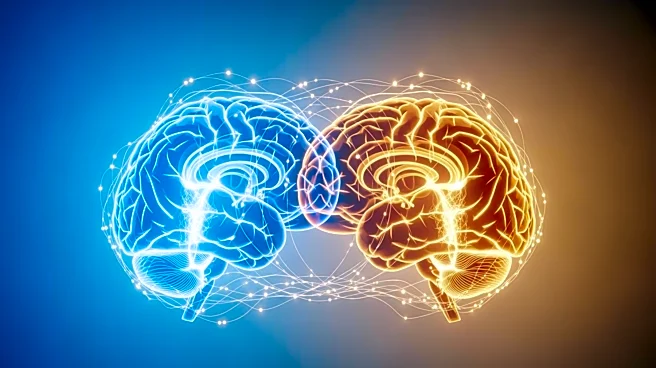








Empathy is a fundamental human ability that allows individuals to understand and share the feelings of others. It plays a crucial role in social interactions, fostering connections and promoting altruistic behavior. Empathy is not a singular concept but rather a complex interplay of cognitive and emotional components. This article explores these aspects of empathy, highlighting their importance in everyday life.
Cognitive Aspects of Empathy
The cognitive component of empathy involves
the ability to understand another person's perspective and experiences. This aspect is crucial for effective communication and social interaction, as it allows individuals to see the world through someone else's eyes. Cognitive empathy requires a certain level of mental flexibility and imagination, enabling one to step outside their own experiences and consider those of others.
In social settings, cognitive empathy helps individuals navigate complex interpersonal dynamics. By understanding the thoughts and feelings of others, people can respond more appropriately and sensitively. This understanding is particularly important in diverse social environments, where individuals may have different backgrounds and perspectives. Cognitive empathy fosters inclusivity and reduces misunderstandings, making it an essential skill in both personal and professional relationships.
Emotional Aspects of Empathy
While cognitive empathy focuses on understanding, emotional empathy involves sharing and experiencing the emotions of others. This aspect is often described as feeling with someone, rather than just understanding them. Emotional empathy is what allows people to connect on a deeper level, experiencing joy, sadness, or pain alongside others.
Emotional empathy is crucial for building strong, supportive relationships. It enables individuals to offer genuine compassion and support, as they can truly feel what the other person is going through. This shared emotional experience can strengthen bonds and create a sense of solidarity, particularly in times of distress or celebration. Emotional empathy also plays a role in motivating altruistic behavior, as individuals are more likely to help others when they can emotionally relate to their situation.
The Interplay of Cognitive and Emotional Empathy
The cognitive and emotional components of empathy are interconnected, each enhancing the other. Cognitive empathy provides the understanding needed to accurately interpret another person's emotions, while emotional empathy adds depth to this understanding by allowing individuals to feel those emotions themselves. Together, these aspects create a comprehensive empathetic response that is both informed and heartfelt.
In practice, the balance between cognitive and emotional empathy can vary depending on the situation. For instance, in professional settings, cognitive empathy may be more emphasized to maintain objectivity, while emotional empathy might be more prominent in personal relationships. Understanding and cultivating both aspects of empathy can lead to more meaningful and effective interactions, ultimately enriching one's social life and personal well-being.