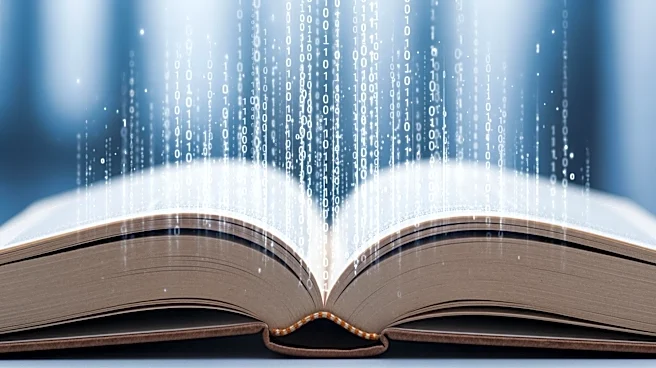








Book scanning has played a pivotal role in the development and expansion of digital libraries. By converting physical books into digital formats, scanning technology has made it possible to access vast amounts of information online. This article explores the impact of book scanning on digital libraries and how it has transformed the way we access knowledge.
Expanding Access to Information
Digital libraries have become a cornerstone of modern information access, largely due to the
capabilities of book scanning technology. Projects like Project Gutenberg, Google Books, and the Open Content Alliance have scanned millions of books, making them available online for free or at a low cost. This has democratized access to information, allowing people from all over the world to access books that were previously confined to physical libraries.
The ability to distribute digital books easily has also facilitated educational initiatives, providing students and researchers with access to a wide range of resources. This has been particularly beneficial in regions where physical libraries are scarce or underfunded, bridging the gap between knowledge and accessibility.
Preservation of Cultural Heritage
Book scanning technology has also played a crucial role in preserving cultural heritage. By digitizing rare and fragile books, libraries can protect these valuable resources from physical deterioration. This is especially important for historical texts that are irreplaceable and hold significant cultural value.
Collaborative digitization projects have emerged worldwide, focusing on preserving cultural heritage materials. These initiatives often involve partnerships between libraries, universities, and cultural institutions, working together to digitize and share their collections. This collaborative approach ensures that cultural heritage is preserved for future generations while making it accessible to a global audience.
Challenges and Opportunities
While book scanning has greatly expanded access to information, it also presents challenges. Copyright issues can limit the availability of certain books, particularly those still under copyright protection. Organizations like Google Books have faced legal challenges for scanning copyrighted works, highlighting the need for clear guidelines and agreements with publishers.
Despite these challenges, the opportunities presented by book scanning are immense. As technology continues to advance, the potential for even greater access to information grows. High-resolution scanning and improved OCR technology promise to enhance the quality and usability of digital books, making them more accessible and easier to search.
Book scanning has revolutionized the way we access and preserve information. By expanding digital libraries and preserving cultural heritage, it has transformed the landscape of knowledge accessibility, offering new opportunities for education and research.