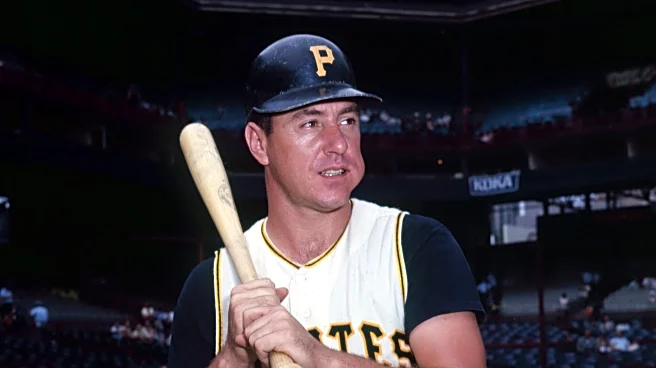


Elston Howard's career in Major League Baseball is a testament to his role as a trailblazer for African American athletes. As the first African American player on the New York Yankees, Howard broke barriers and set new standards for excellence in the sport. His journey reflects the broader struggle for racial equality in America and highlights his significant contributions to baseball.
Breaking Barriers with the Yankees
Elston Howard's entry into Major League Baseball was a groundbreaking
moment. In 1955, he became the first African American player to join the New York Yankees, a team with a storied history and significant influence in the sport. This achievement came eight years after Jackie Robinson broke the color barrier, and Howard's presence on the Yankees marked another step forward in the integration of baseball.
Howard's debut was not just a personal milestone but a significant event in the history of the Yankees and Major League Baseball. His presence challenged the racial norms of the time and paved the way for future African American players. Despite facing racial prejudice, Howard's talent and determination earned him respect and admiration from teammates and fans alike.
Achievements and Recognition
Throughout his career, Elston Howard achieved numerous accolades that underscored his talent and impact on the game. He was a 12-time All-Star and won the American League's Most Valuable Player Award in 1963, becoming the first black player in AL history to receive the honor. Howard also won Gold Glove Awards in 1963 and 1964, setting records for putouts and total chances in a season.
Howard's achievements on the field were complemented by his contributions off the field. He later became the first black coach in the American League, serving on the Yankees' coaching staff from 1969 to 1979. His role as a coach was another significant step in diversifying leadership roles within the sport.
Legacy and Impact
Elston Howard's legacy extends beyond his playing career. He is remembered as a pioneer who broke racial barriers and set new standards for excellence in baseball. His journey from the Negro leagues to becoming a key figure in the Yankees' history is a testament to his resilience and dedication.
In recognition of his contributions, the Yankees retired Howard's number 32 and dedicated a plaque in his honor at Monument Park. His impact on the game is further commemorated by the renaming of the baseball field on the former site of Yankee Stadium in his honor.
Elston Howard's story is one of courage, perseverance, and breaking new ground. His contributions to baseball continue to be celebrated, and his legacy lives on as a symbol of progress and achievement in the sport.