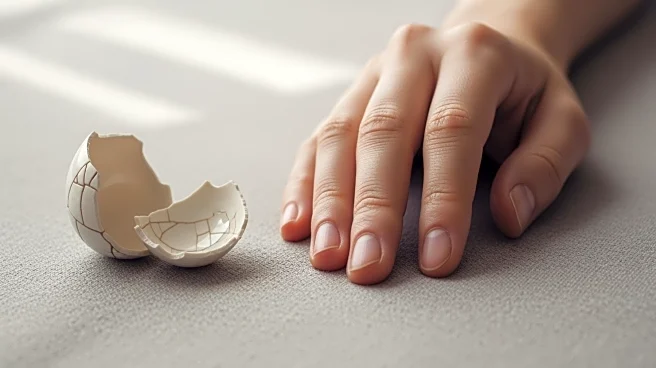

Dermatophagia is a lesser-known compulsive disorder characterized by the urge to bite or gnaw at one's own skin, most commonly around the fingers. This behavior can be both conscious and unconscious, and it is considered
a type of pica, a disorder involving the consumption of non-nutritive substances. Dermatophagia often leads to bleeding and discoloration of the skin over time, and it can be linked to other impulse-control disorders. This article delves into the nature of dermatophagia, its symptoms, and the challenges it presents.
Characteristics of Dermatophagia
Dermatophagia is primarily identified by the compulsive behavior of biting one's own skin, particularly around the nails and finger knuckles. Individuals affected by this disorder may also bite the skin on their feet, toes, and even the inside of their mouth, including cheeks and lips. This behavior can result in blisters and calluses, especially if left unchecked for extended periods. The repeated biting can cause the skin to thicken, and in severe cases, lead to pain and bleeding.
The disorder is often exacerbated by feelings of anxiety or stress, which can intensify the urge to bite. The act of biting may provide temporary relief or satisfaction, but it can also increase the risk of infection due to the exposure of open wounds to bacteria. Dermatophagia is sometimes accompanied by excoriation disorder, which involves compulsively picking at the skin.
Psychological and Medical Perspectives
From a psychological standpoint, dermatophagia is classified under 'other specified obsessive-compulsive related disorders' in the DSM-5. It is considered a body-focused repetitive behavior, similar to trichophagia, which involves compulsively biting and eating one's hair. The disorder is linked to impulse-control issues, where individuals struggle to resist the urge to perform harmful actions.
Medical research suggests that dermatophagia may be related to obsessive-compulsive disorders, and it is often seen in conjunction with other mental health conditions. The repetitive nature of the behavior is similar to substance abuse disorders, where individuals experience tension before the act and relief afterward. However, the exact cause of dermatophagia remains unclear, and it is not classified as a standalone mental disorder.
Management and Treatment Options
Managing dermatophagia can be challenging, as there is no universally effective treatment. Behavioral therapies, such as habit reversal training and cognitive-behavioral therapy, are commonly recommended. These therapies focus on replacing the biting behavior with less harmful actions, such as chewing gum or using a soft drink straw.
For children with disabilities, innovative methods like the PLAY hands protective glove are being developed. These gloves are designed to prevent skin biting without hindering movement or tactile feedback. While still in prototype stages, such interventions offer hope for improving the quality of life for those affected by dermatophagia. Overall, a combination of therapeutic approaches may be necessary to effectively manage this complex disorder.