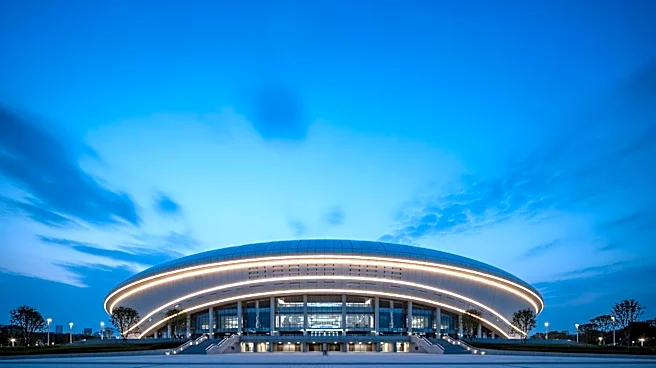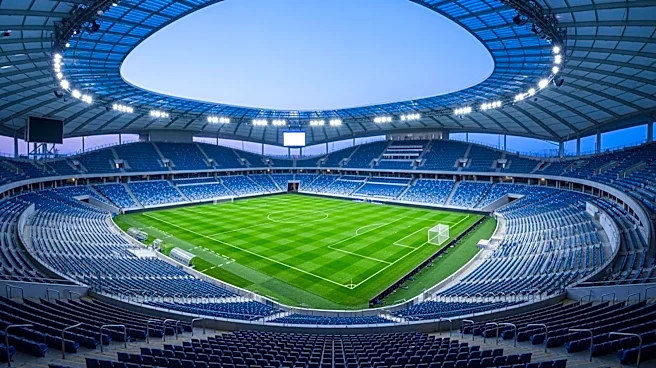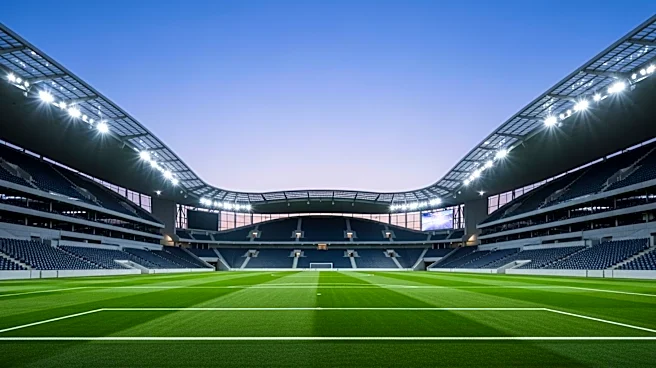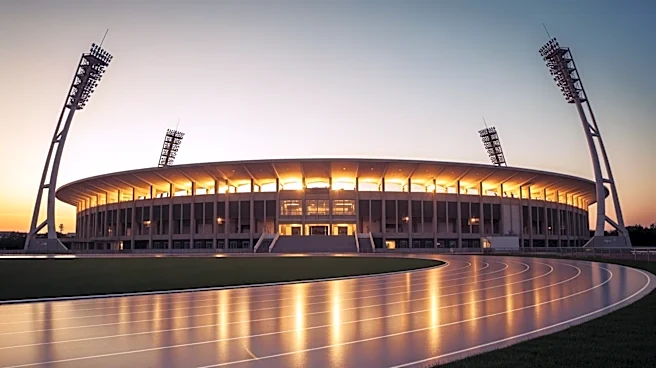






Estádio Beira-Rio, officially known as Estádio José Pinheiro Borda, stands as a monumental symbol of football in Porto Alegre, Brazil. This iconic stadium, home to Sport Club Internacional, has a rich history that reflects the passion and dedication of its supporters. From its inception in the 1950s to its role in the 2014 FIFA World Cup, Beira-Rio has undergone significant transformations, each marking a new chapter in its storied existence.
The Early Days and Construction
The idea
for Estádio Beira-Rio began to take shape in the mid-1950s. On September 12, 1956, Ephraim Pinheiro Cabral, a former president of Internacional, proposed a project to the Porto Alegre City Council to donate land for a new stadium. The land, however, was located within the Rio Guaíba, necessitating a massive landfill project before construction could commence. This ambitious endeavor was celebrated by Internacional's directors and marked the beginning of a new era for the club.
Construction officially began in late 1957 with the arrival of the 'Ster' dredger, which symbolized the future of a grand venue in southern Brazil. Despite facing numerous challenges and skepticism, the project moved forward under the leadership of José Pinheiro Borda, a devoted Portuguese immigrant and engineer. Borda's dedication to the project was so profound that the stadium was named in his honor, although he tragically passed away before its completion.
Community Involvement and Challenges
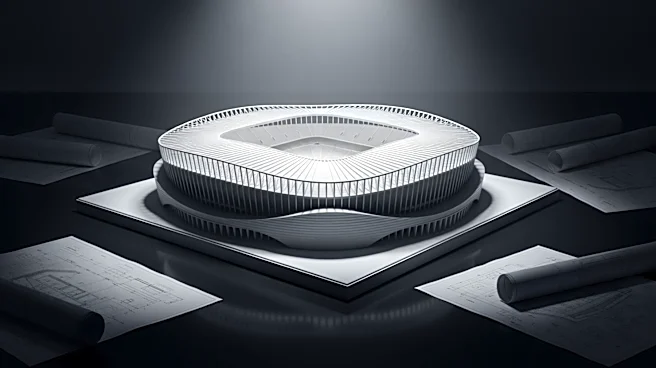
The construction of Beira-Rio was a community effort, with fans playing a crucial role in its development. Radio campaigns encouraged supporters to donate materials such as bricks, cement, and iron. This grassroots movement was so successful that it led to the creation of a scale model of the stadium, unveiled to the public in 1962. The cornerstone was laid that same year, and the site quickly transformed into a bustling construction zone.
However, the project faced significant setbacks in 1965, including financial difficulties that halted construction. The Works Committee, with the help of Banco da Província, eventually secured the necessary funds to resume work. Despite these challenges, the community's unwavering support and dedication ensured the project's continuation. By 1968, the stadium was nearing completion, with its architectural design inspired by the Tokyo Olympic Stadium and the Azteca Stadium in Mexico City.
Inauguration and Legacy
Estádio Beira-Rio was officially inaugurated on April 6, 1969, in a grand ceremony attended by approximately 100,000 people. The event featured a match between Internacional and Benfica, with Claudiomiro scoring the first goal in the new stadium. The inauguration was a momentous occasion, marking the fulfillment of a dream that had seemed nearly unattainable a decade earlier.
The stadium quickly became a symbol of modernity and innovation, boasting facilities such as thermal baths for athletes and an impressive electronic scoreboard. Over the years, Beira-Rio has hosted numerous significant events, including the 2014 FIFA World Cup, further cementing its status as a key figure in Brazilian football history.
Today, Estádio Beira-Rio stands as a testament to the passion and perseverance of the Internacional community. Its rich history and continued relevance in the world of football make it a cherished landmark in Porto Alegre and beyond.