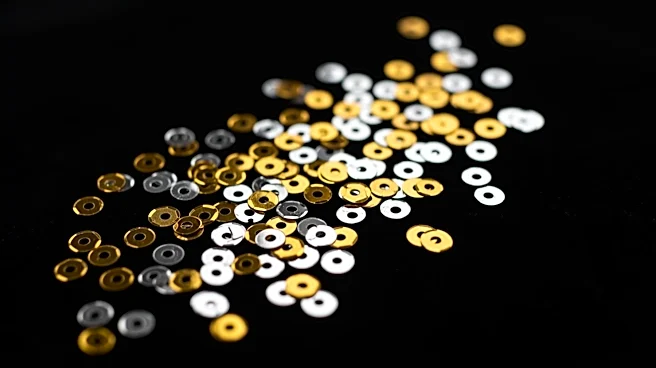



Sequins, those small, shiny ornaments that adorn clothing and accessories, have a rich history that spans thousands of years. Originally used as a symbol of wealth and status, sequins have evolved into a staple of modern fashion. This article explores the journey of sequins from their ancient origins to their contemporary use in haute couture and everyday wear.
Ancient Beginnings
The history of sequins dates back to ancient times, with evidence of their use found in various
parts of the world. In Indonesia, sequins made from nautilus shells have been discovered, dating back 12,000 years. This early use of sequins highlights their long-standing appeal as decorative elements. In the Indus Valley, around 2500 BC, gold sequins were used to embellish clothing and other items, indicating their association with wealth and status.
One of the most famous historical uses of sequins was in ancient Egypt. Solid gold sequins were sewn into the royal garments found in the tomb of Tutankhamun, showcasing their significance in royal attire. These early examples of sequins demonstrate their enduring appeal and the human desire to adorn clothing with shiny, eye-catching elements.
The Renaissance and Beyond
During the Renaissance, sequins continued to be a symbol of wealth and status. In 1485, for the coronation of Henry VII of England, sequins known as "spangles" and "oylets" were supplied by London goldsmiths. These sequins were made of silver and gilt, further emphasizing their luxurious nature. By the 17th century, the modern sequin, known as a spangle, appeared in Europe. These were made by punching shapes out of thin metal sheets and were popular among the European nobility.
The use of sequins expanded during the Edwardian era, with haute couture designers like Callot Soeurs creating evening dresses fully covered in sequins. These designs often used sequins of different colors to form intricate patterns, showcasing the versatility and artistic potential of sequins in fashion.
Modern Fashion and Sequins
In the 20th century, sequins experienced a resurgence in popularity, particularly during the 1920s. The discovery of Tutankhamun's tomb sparked a wave of Egyptomania, leading to the widespread use of sequins in fashion. Flapper girls of the era embraced sequins as a fashion statement, often wearing dresses adorned with these shiny embellishments.
The development of new materials in the 1930s, such as lightweight electroplated gelatin sequins, made sequins more accessible and practical for everyday wear. However, these early sequins had limitations, as they would melt if exposed to heat or moisture. Advances in materials technology eventually led to the creation of durable plastic sequins, which became a staple in fashion.
Today, sequins continue to be a popular choice for designers and consumers alike. They are used in everything from high fashion to casual wear, adding a touch of sparkle and glamour to any outfit. The evolution of sequins from ancient symbols of wealth to modern fashion staples is a testament to their enduring appeal and versatility.