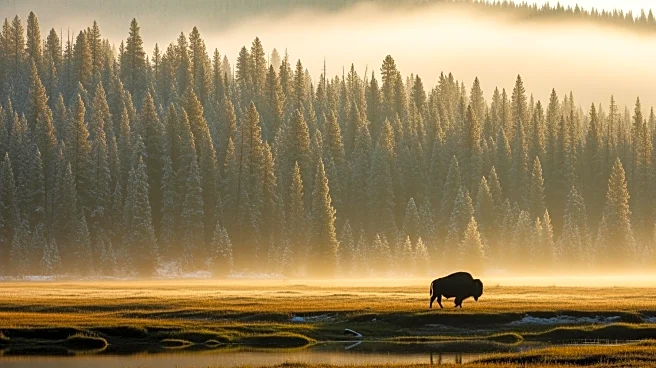




Yellowstone National Park is not only famous for its geothermal features but also for its diverse wildlife. As the first national park in the world, established in 1872, Yellowstone spans over 2.2 million acres across Wyoming, Montana, and Idaho. It serves as a sanctuary for a wide array of animal species, making it a prime destination for wildlife enthusiasts. This article explores the rich biodiversity that calls Yellowstone home.
Mammals of Yellowstone
Yellowstone is
home to the largest concentration of mammals in the lower 48 states, with 67 different species residing within its boundaries. Among the most iconic are the grizzly bears and black bears, which roam the park's vast landscapes. Gray wolves, once hunted to extinction by 1926, were reintroduced from Canada in 1995, and now more than 100 wolves thrive in the park.
In addition to these predators, Yellowstone hosts thriving populations of coyotes, red foxes, wolverines, and lynx. The park's ecosystem supports seven native ungulate species, including elk, mule deer, bison, moose, bighorn sheep, pronghorn, and white-tailed deer. These animals contribute to the park's dynamic food web and are a major draw for visitors.
Avian Diversity
Birdwatchers will find Yellowstone a paradise, with records documenting 330 species of birds to date. Approximately 148 species are known to nest in the park, benefiting from the varied elevation and habitat types. The park's avian residents include trumpeter swans, bald eagles, and peregrine falcons, among others.
The diverse bird population is supported by the park's rich ecosystems, which range from dense forests to open meadows. This variety provides ample opportunities for birdwatching, with species ranging from waterfowl to raptors, each playing a unique role in the park's ecological balance.
Conservation Efforts
Yellowstone's wildlife is protected by conservation laws that have evolved since the park's establishment. Initially, there were no laws to prevent the hunting of animals, but by 1883, legislation was enacted to protect the park's fauna. The National Park Protection Act of 1894 further safeguarded wildlife, prohibiting the killing or destruction of natural resources.
These conservation efforts have been crucial in maintaining the park's biodiversity, allowing species to flourish in their natural habitats. As a UNESCO World Heritage Site, Yellowstone continues to be a model for wildlife conservation, ensuring that its diverse inhabitants are preserved for future generations.