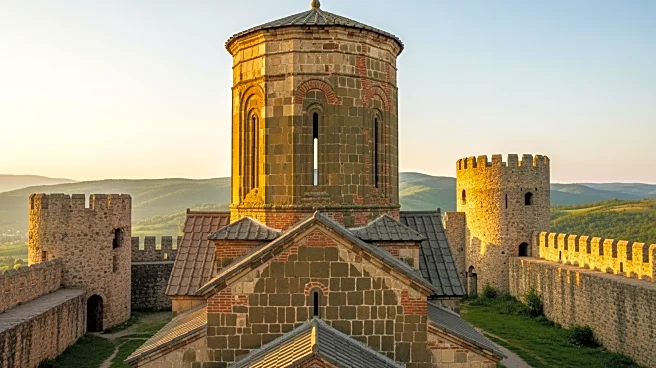




Romania is home to a remarkable collection of fortified churches, particularly in the region of Transylvania. These structures, built between the 13th and 16th centuries, are a testament to the country's rich history and architectural diversity. The fortified churches are not only significant for their historical value but also for their unique architectural styles, which have been preserved over the centuries.
The Origins of Fortified Churches
The fortified churches of Transylvania
originated during a time of frequent invasions by the Ottoman and Tatar forces. To protect their communities, the Saxons, who were settled in the region by the Kings of Hungary, constructed fortifications centered around their churches. These fortifications included defensive towers and storehouses, allowing the communities to withstand long sieges.
The churches themselves were adapted to serve defensive purposes, with elements of military architecture integrated into their design. This included the addition of towers, battlements, and loopholes, transforming the churches into formidable fortresses. The Saxon villages, with their fortified churches, became a stronghold of resistance against external threats.
Architectural Styles and Preservation
The fortified churches of Transylvania display a variety of architectural styles, ranging from Romanesque basilicas to late Gothic single-nave churches. Many of these churches have undergone modifications over the centuries, incorporating baroque elements that were popular in the region during the 16th century.
The preservation of these churches is a testament to the craftsmanship and resilience of the Saxon communities. Today, over 150 fortified churches remain, with seven of them designated as UNESCO World Heritage Sites. These sites represent different architectural styles and historical significance, offering visitors a glimpse into Romania's medieval past.
Cultural and Historical Significance
The fortified churches are not only architectural marvels but also cultural landmarks that reflect the history and traditions of the Saxon communities in Transylvania. The churches served as centers of social life, with communal buildings such as parish houses, schools, and village halls situated nearby.
The fortified churches continue to be a source of pride for Romania, attracting tourists and historians alike. They offer insight into the country's medieval history and the resilience of its people in the face of adversity. As Romania continues to preserve and promote these historical sites, the fortified churches remain a symbol of the country's rich cultural heritage.
Romania's fortified churches are a unique aspect of its historical landscape, showcasing the architectural ingenuity and cultural significance of the Saxon communities that built them.