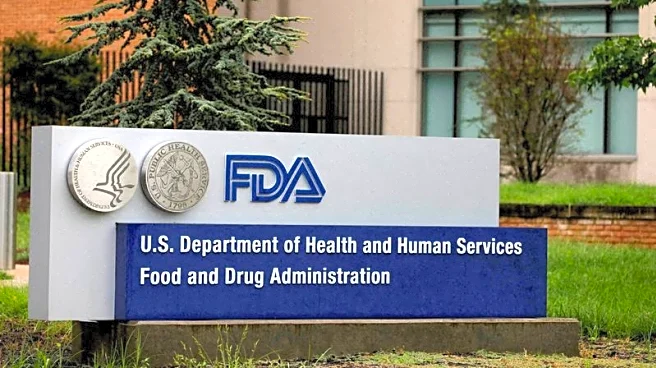




In 2014, the Sunscreen Innovation Act was signed into law, marking a significant step in the regulation of sunscreen ingredients in the United States. This legislation aimed to address the slow approval process for new sunscreen ingredients, which had long been a source of frustration for both consumers and manufacturers. This article explores the impact of the Sunscreen Innovation Act on the sunscreen industry and its effectiveness in expediting
the approval of new ingredients.
The Need for Legislative Action
Before the Sunscreen Innovation Act, the approval process for new sunscreen ingredients in the U.S. was notoriously slow. The FDA, responsible for regulating sunscreens as over-the-counter drugs, had not approved any new ingredients since 1999. This delay was due in part to the rigorous testing and evaluation required for drug approval, which is more stringent than the process for cosmetic products in other countries.
The lack of new ingredients limited the availability of advanced sunscreen formulations in the U.S., putting American consumers at a disadvantage compared to their European counterparts. In Europe, sunscreens are classified as cosmetic products, allowing for a faster review process and a wider range of available ingredients. The Sunscreen Innovation Act was introduced to address these disparities and streamline the approval process in the U.S.
Key Provisions of the Sunscreen Innovation Act
The Sunscreen Innovation Act set specific deadlines for the FDA to review and make decisions on pending sunscreen ingredient applications. It aimed to create a more efficient and transparent regulatory pathway, allowing for quicker access to new and potentially more effective sunscreen products. The act also sought to align U.S. regulations more closely with international standards, facilitating the introduction of ingredients already in use abroad.
Despite these intentions, the act did not provide the FDA with additional resources to carry out its new responsibilities. As a result, the agency faced challenges in meeting the deadlines set by the legislation. The FDA's proposed decision to reject all eight pending ingredients further highlighted the difficulties in balancing safety concerns with the need for innovation.
Ongoing Challenges and Future Prospects
While the Sunscreen Innovation Act was a step in the right direction, its impact has been limited by the lack of additional resources for the FDA. The agency's cautious approach to ingredient approval reflects ongoing concerns about the potential long-term health risks of sunscreen ingredients. This cautiousness has led to continued delays in the approval of new ingredients, frustrating both manufacturers and consumers.
Looking ahead, the sunscreen industry and public health advocates continue to push for further reforms to expedite the approval process. Ensuring that Americans have access to safe and effective sunscreens remains a priority, as skin cancer rates continue to rise. The Sunscreen Innovation Act has laid the groundwork for future improvements, but more work is needed to achieve its full potential.