





Turtles are fascinating creatures that have roamed the Earth for over 200 million years. Their evolutionary journey is a testament to their resilience and adaptability, having survived multiple extinction events that wiped out many other species. This article delves into the evolutionary history of turtles, highlighting key developments and adaptations that have allowed them to thrive across various environments.
Early Origins and Development
The evolutionary history of turtles
dates back to the Late Jurassic period, around 150 million years ago. During this time, early marine turtles like Plesiochelys emerged in Europe, marking the beginning of their long evolutionary journey. These early turtles were part of a diverse group of marine reptiles that included various lineages, some of which have no direct descendants today.
As time progressed, turtles continued to evolve, with significant developments occurring during the Cretaceous period. It was during this era that the first true sea turtles appeared, characterized by their streamlined bodies and adaptations for life in the ocean. These adaptations included the development of flippers for swimming and a more fusiform body shape, which reduced drag and allowed for more efficient movement through water.
Adaptations and Survival
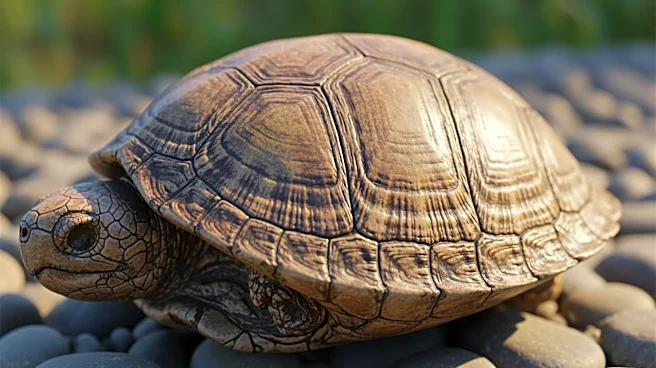
Turtles have developed a range of adaptations that have contributed to their survival over millions of years. One of the most notable adaptations is their hard shell, which provides protection from predators and environmental hazards. The shell is a unique feature among vertebrates, consisting of a domed carapace and a flatter plastron, both made primarily of bone.
In addition to their protective shells, turtles have evolved various physiological traits to thrive in different environments. For instance, sea turtles have developed specialized salt glands to excrete excess salt from their bodies, allowing them to live in marine environments. Their ability to regulate body temperature through basking and other behaviors has also been crucial for survival in diverse climates.
Modern Turtles and Their Diversity
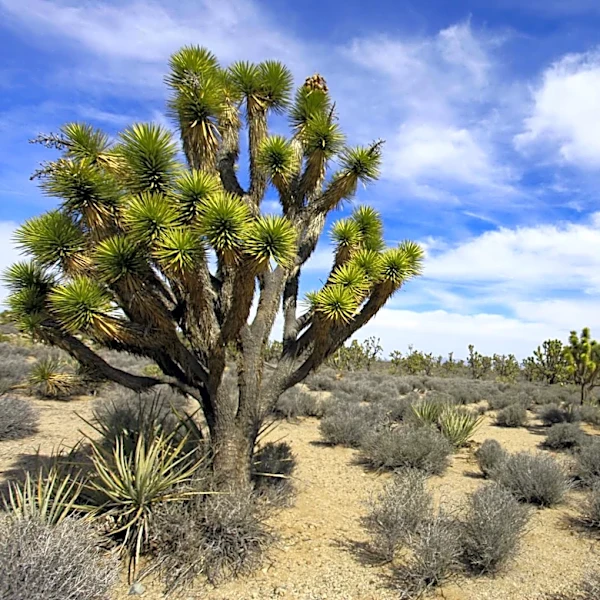
Today, turtles are found on every continent except Antarctica, inhabiting a wide range of ecosystems from oceans to deserts. This global distribution is a testament to their adaptability and evolutionary success. Modern turtles are divided into two major groups: the Pleurodira, or side-necked turtles, and the Cryptodira, or hidden-necked turtles. These groups differ in the way they retract their heads into their shells, showcasing the diversity within the turtle lineage.
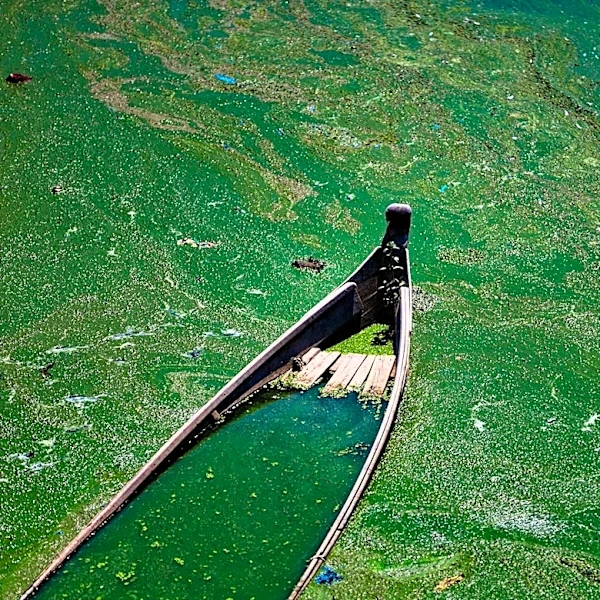
Despite their long evolutionary history, turtles face numerous threats in the modern world, including habitat destruction, pollution, and climate change. Conservation efforts are crucial to ensure the survival of these ancient reptiles, allowing them to continue their evolutionary journey for millions of years to come.