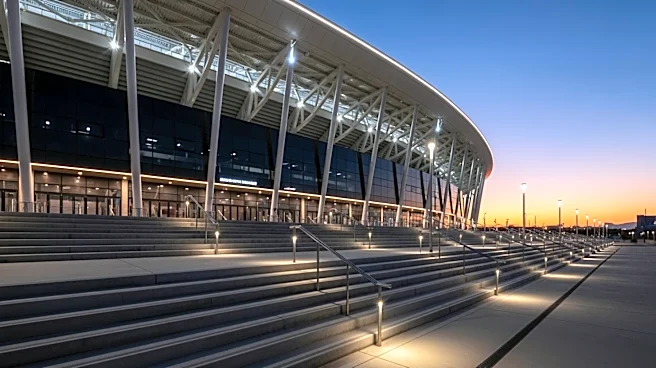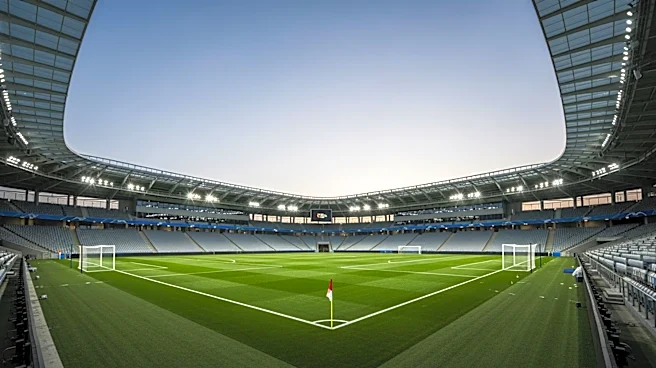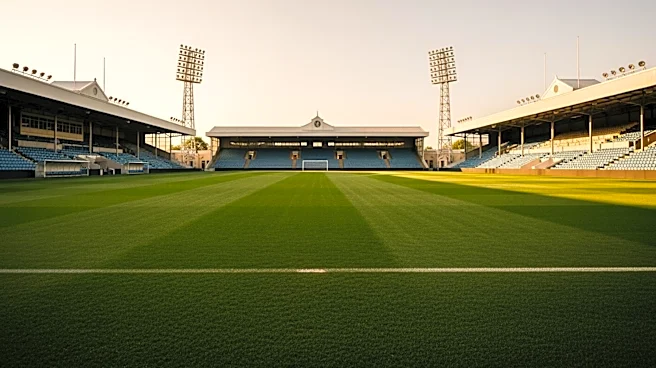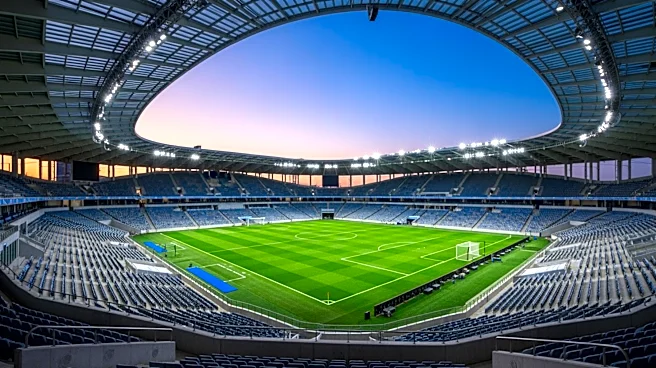




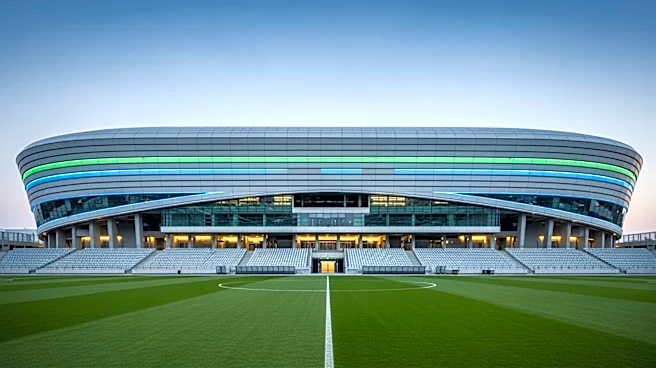

Stade de la Beaujoire in Nantes, France, has played a significant role in the world of international sports. Known for its distinctive hexagonal shape, the stadium has hosted a variety of major sporting events, including football and rugby tournaments. This article explores the stadium's contributions to international sports and its impact on the local community.
Hosting Football's Biggest Events
Since its inauguration in 1984, Stade de la Beaujoire has been a prominent venue for football
events. It was one of the selected stadiums for the UEFA Euro 1984, where France achieved a memorable victory against Belgium. The stadium's capacity and facilities made it an ideal choice for hosting matches during the 1998 FIFA World Cup.
During the World Cup, Stade de la Beaujoire hosted six matches, including a thrilling quarter-final between Brazil and Denmark. The renovations carried out in 1998 ensured that the stadium met international standards, providing a comfortable experience for spectators and players alike. Although it was not chosen for UEFA Euro 2016, the stadium's legacy in football remains strong.
Rugby and Other Sporting Events
In addition to football, Stade de la Beaujoire has been a venue for international rugby matches. It hosted pool matches during the 2007 Rugby World Cup and continued to be a site for rugby events in subsequent years. The stadium's versatility and capacity make it suitable for accommodating large crowds and diverse sporting activities.
The stadium's role in rugby highlights its importance as a multi-sport venue. It has also been used for domestic rugby matches, including Top 14 semifinals, showcasing its adaptability to different sports. The ability to host both football and rugby events underscores Stade de la Beaujoire's significance in the international sports arena.
Cultural Impact and Future Prospects
Beyond sports, Stade de la Beaujoire has hosted music concerts and cultural events, contributing to the vibrant community life in Nantes. The stadium's presence has boosted local tourism and provided economic benefits to the region. Its location and facilities make it a central hub for entertainment and sports.
While plans for a new stadium, YelloPark, were proposed, they were ultimately canceled, leaving Stade de la Beaujoire as the primary venue for FC Nantes and other events. The stadium's continued use reflects its enduring value to the community and its role in promoting international sports. As Nantes looks to the future, Stade de la Beaujoire remains a symbol of the city's commitment to sports and culture.