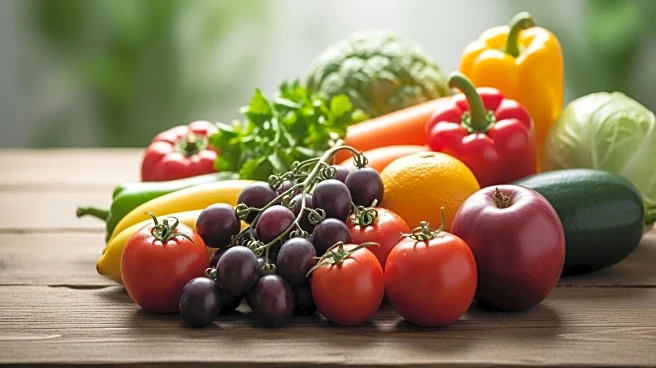




Raw foodism is a dietary practice that emphasizes the consumption of uncooked and unprocessed foods. This approach to eating is often centered around fruits, vegetables, nuts, and seeds, with the belief that raw foods retain more nutrients and enzymes than cooked foods. Despite its popularity among certain groups, the British Dietetic Association has labeled raw foodism as a fad diet, highlighting potential nutrient deficiencies that can arise from
such restrictive eating habits.
Principles of Raw Foodism
At the core of raw foodism is the idea that cooking food can destroy essential nutrients and enzymes, which are believed to be vital for optimal health. Proponents of this diet argue that consuming foods in their natural, uncooked state can lead to better digestion, increased energy levels, and overall improved health. The diet typically includes a wide variety of fruits and vegetables, along with nuts, seeds, and sprouted grains.
Raw foodists often avoid processed foods, refined sugars, and artificial additives, aiming to eat as close to nature as possible. This approach is not just about what is consumed but also how it is prepared. Techniques such as juicing, blending, and dehydrating are commonly used to make raw foods more palatable and varied.
Criticism and Concerns
Despite the enthusiasm of its followers, raw foodism has faced criticism from health professionals. The British Dietetic Association has categorized it as a fad diet, pointing out that it can lead to nutrient deficiencies. For instance, the lack of cooked foods can result in insufficient intake of certain vitamins and minerals, such as vitamin B12, iron, and calcium, which are more readily available in cooked or fortified foods.
Moreover, the diet's restrictive nature can make it challenging for individuals to maintain a balanced and varied diet, potentially leading to health issues over time. Critics also argue that the purported health benefits of raw foodism are not supported by scientific evidence, and the diet may not be suitable for everyone, particularly those with specific dietary needs or health conditions.
The Cultural Impact of Raw Foodism
Raw foodism has gained a following in various parts of the world, with dedicated communities and events celebrating this lifestyle. The Woodstock Fruit Festival, for example, is an annual gathering that brings together raw food enthusiasts to share experiences, recipes, and support. Such events highlight the social and cultural aspects of raw foodism, where individuals connect over shared values and beliefs about health and nutrition.
While raw foodism may not be universally accepted or recommended by health professionals, it continues to attract individuals seeking alternative dietary practices. Its emphasis on natural, unprocessed foods resonates with those looking to simplify their eating habits and focus on whole foods. As with any diet, it is essential for individuals to consider their nutritional needs and consult with healthcare providers to ensure they are meeting their dietary requirements.