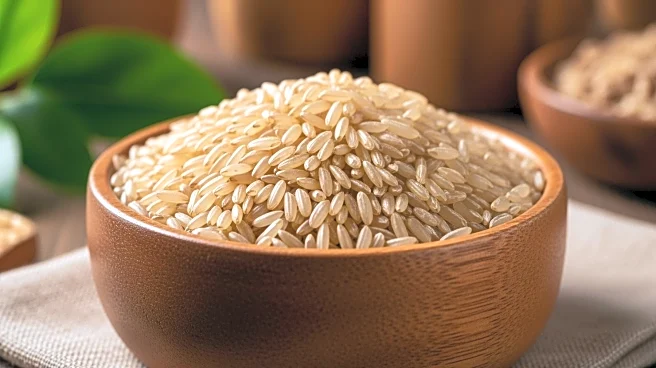




Brown rice is often celebrated for its nutritional benefits, making it a popular choice among health-conscious individuals. Unlike white rice, brown rice retains its bran and germ, which are rich in essential nutrients. This article delves into the nutritional components of brown rice, highlighting its health benefits and why it stands out as a whole grain option.
Nutritional Components
Brown rice is a whole grain, meaning it contains all parts of the grain kernel: the bran,
germ, and endosperm. This composition is what gives brown rice its distinctive brown or tan color. The bran and germ layers are packed with nutrients that are often lost during the milling process that produces white rice. As a result, brown rice is a more nutrient-dense option.
In terms of macronutrients, cooked long-grain brown rice is composed of 70% water, 26% carbohydrates, 3% protein, and 1% fat. This balance makes it a good source of energy while also providing a modest amount of protein. The carbohydrates in brown rice are primarily complex carbohydrates, which are digested more slowly and provide a steady release of energy.
Rich Source of Manganese
One of the standout nutrients in brown rice is manganese. A 100-gram serving of cooked brown rice provides 36% of the daily value (DV) for manganese, making it a rich source of this essential mineral. Manganese plays a crucial role in bone formation, blood clotting, and reducing inflammation. It also helps in the metabolism of carbohydrates and fats, contributing to overall energy production.
In addition to manganese, brown rice is a moderate source of magnesium, phosphorus, niacin, and thiamine, providing 11-17% of the DV for these nutrients. These vitamins and minerals are vital for various bodily functions, including nerve function, muscle contraction, and maintaining a healthy immune system.
Health Benefits
The nutritional profile of brown rice contributes to several health benefits. Its high fiber content aids in digestion and can help prevent constipation. The fiber also contributes to a feeling of fullness, which can be beneficial for weight management. Additionally, the slow digestion of complex carbohydrates in brown rice helps maintain stable blood sugar levels, making it a suitable option for individuals with diabetes.
Moreover, the presence of antioxidants in brown rice, such as phenolic compounds, helps combat oxidative stress and may reduce the risk of chronic diseases. The combination of these nutrients makes brown rice a valuable addition to a balanced diet, supporting overall health and well-being.
In conclusion, brown rice is a nutrient-rich whole grain that offers numerous health benefits. Its retention of the bran and germ layers ensures a higher nutrient content compared to white rice, making it a superior choice for those looking to enhance their diet with wholesome grains.